
A Rabbit's Seventh Week of Life
A rabbit's seventh week of life brings independence, strong personalities, and preparation for new homes. Learn what to happens during this final stage before placement.
Amy Jackson & The Hot Cross Buns
12/11/20243 min read
A Rabbit's Seventh Week of Life
When the Final Week Arrives
As we continue to follow the growth and development of young rabbits, the seventh week marks their final full week with us if they have been matched with a waiting family.
It's a week filled with preparation, both practical and emotional. We begin to say our quiet goodbyes as we get ready to place each kit with their new family.
From Newborn to Nearly Grown
The growth that takes place in nearly eight weeks is remarkable.
A tiny newborn has become a strong, active young rabbit in a very short time. For perspective, it would be like a six-pound human baby reaching the size and presence of an eight-year-old in just a few weeks.
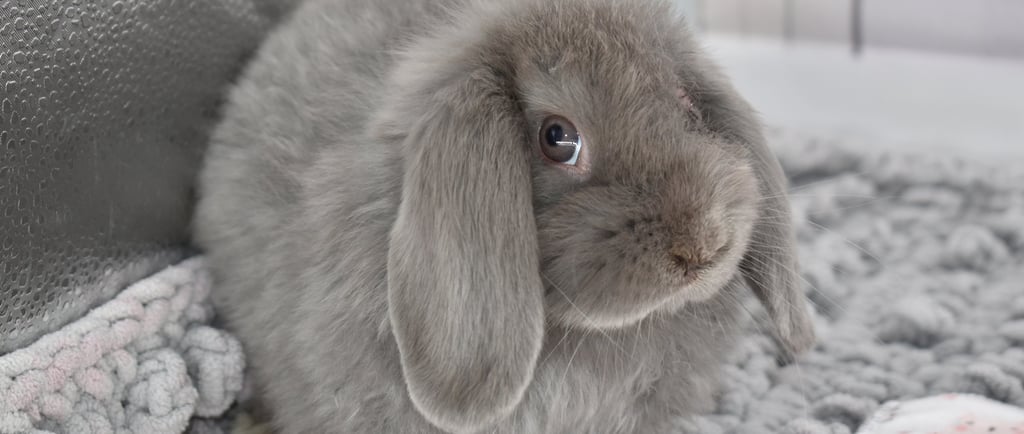
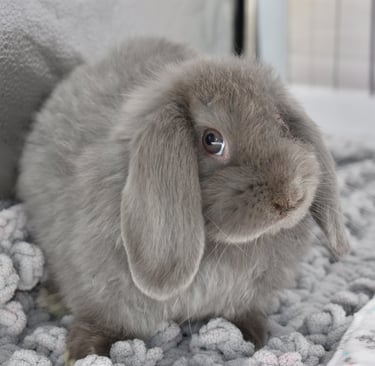
By this stage, many kits are approaching the size of an adult true dwarf Holland Lop. They may still weigh a bit less than their parents, but their overall structure is beginning to resemble that of a mature rabbit.
Daily Life: Eating, Playing, and Resting
Life during the seventh week follows a steady and active rhythm.
Kits eat, play, rest, and return to play again. Their energy is consistent, and their curiosity remains strong. While some may still attempt to nurse occasionally, most mothers are ready to refuse those efforts and encourage independence.
Mothers of larger litters often appear ready for a well-earned rest after weeks of constant care.
Gradual Independence
During this week, we begin increasing the amount of time kits spend away from their mother.
Separate exercise pens allow them to grow more independent while still remaining with their littermates. This gradual weaning process gives us the opportunity to observe each kit closely and ensure that they continue to eat well and maintain their weight.
There may be a brief adjustment period, but it is usually short-lived. Within a day or two, most kits settle into their new routine, balancing play, rest, and social interaction with their siblings.
They still return to their mother in the evening for reassurance and familiar comfort.
Play, Interaction, and Small Moments
Play becomes more coordinated and interactive.
Kits engage in games of tug-of-war with pieces of hay, often with surprising determination. It is not uncommon for a third littermate to step in and claim the prize, leaving the others briefly stunned before they move on in search of something new.
They continue to enjoy tunnels, boxes, and simple toys, often nudging objects along with their noses or sitting upright to observe the world around them.
They remain highly social, frequently resting together in close “cuddle puddles,” even as their independence grows.
Feeding, Cleaning, and Care
Appetites remain strong.
Kits eat well and are provided with consistent access to pellets, hay, and fresh water. Water is refreshed frequently, and hay consumption increases noticeably at this stage.
Cleaning also becomes more frequent, as activity levels and intake both increase. While litter boxes are available, consistency is still developing, and daily maintenance helps keep their environment clean and comfortable.
Growing Bodies and Changing Strength
One of the more surprising changes during this week is how solid the kits begin to feel.
What once required a quick, gentle lift now calls for both hands. Their bodies are fuller, their weight more substantial, and their strength more noticeable.
They are no longer fragile babies.
Social Behavior and Boundaries
With increased strength comes more assertive behavior.
Some kits may begin mounting their littermates or even their mother. This behavior is instinctive and not a sign of maturity or readiness to breed.
When it becomes too persistent or rough, we may separate the more assertive kits to ensure that all remain safe and comfortable.
A Bittersweet Transition
The seventh week is, in many ways, the most bittersweet.
We have watched these kits from their very first moments, cared for them through each stage, and come to know their individual personalities. Now, they are ready to become part of another family.
We think of them as belonging to their new homes. We use their new names, speak about their future families, and imagine the lives they are about to begin.
This is how we protect our hearts on Pick-Up Day.
A Week of Completion
By the end of the seventh week, the transition feels complete.
The kits are strong, independent, and prepared for the next stage of their lives. When placement day arrives, the focus is no longer on letting go, but on celebrating what comes next.
It is the natural conclusion of everything that has come before.
________________________________________________________________________________________________________________
Following the Journey: From Kindling to Placement
The early weeks of a rabbit’s life unfold quickly, with each stage building on the one before it. If you would like to follow that progression more closely, these posts walk through the process from birth through placement day.
• Rabbit Kindling: What Can Go Right, What Can Go Wrong
• A Rabbit's First Week of Life
• A Rabbit's Second Week of Life
• A Rabbit's Third Week of Life
• A Rabbit's Fourth Week of Life
• A Rabbit's Fifth Week of Life
• A Rabbit's Sixth Week of Life
• A Rabbit's Seventh Week of Life
• Placement Day: What to Expect When You Bring Your Bun Home
Taken together, they offer a complete picture of how rabbits grow, develop, and prepare for life with their new families.
Copyright 2016-present. All rights reserved by Hot Cross Buns Holland Lops. All images and content fall under the sole ownership of Hot Cross Buns Holland Lops.
Hot Cross Buns Holland Lops
Oberlin, Ohio
Indoor companion Holland Lops raised with care since 2016.
Email: hcbhollands@gmail.com