Rabbit Not Eating: What It Means and What to Do
Rabbit not eating: what it means and what to do. Learn how to recognize early warning signs, understand possible causes, and know when to act quickly to protect your rabbit’s health.
Amy Jackson & The Hot Cross Buns
4/10/20262 min read
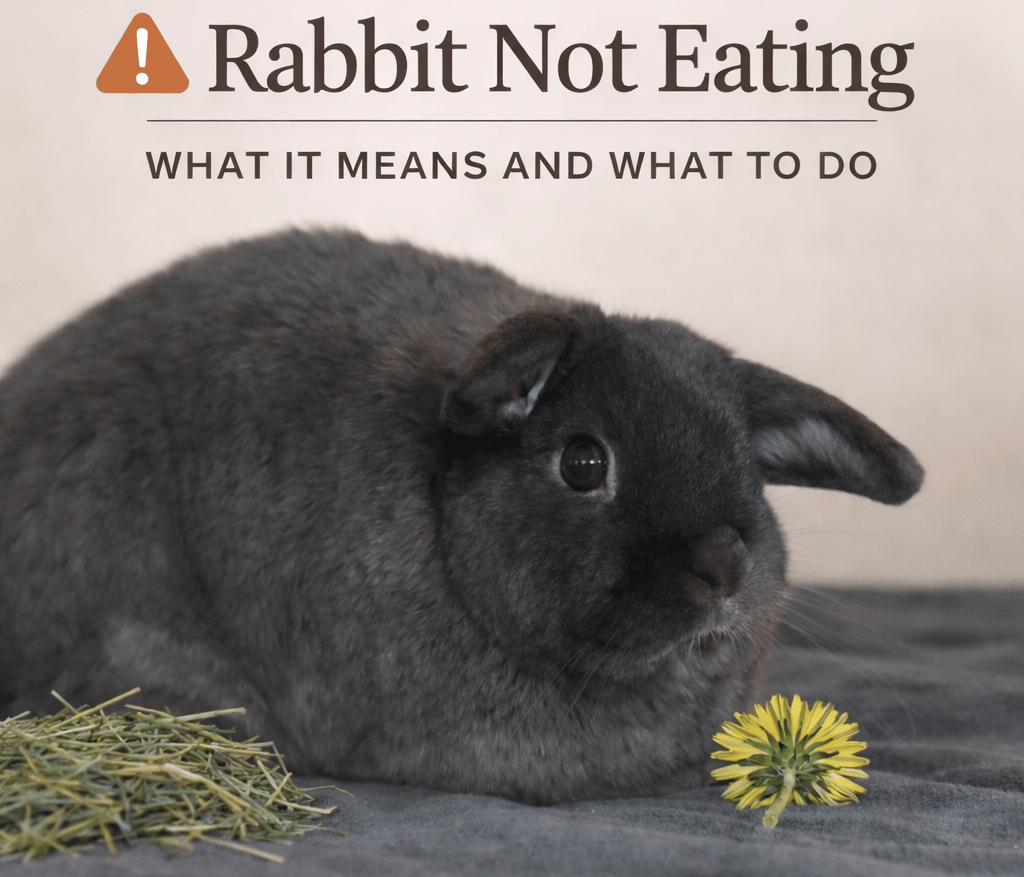
Rabbit Not Eating: What It Means and What to Do
If your rabbit isn’t eating, it can feel unsettling very quickly.
Sometimes it’s a small shift—a little less interest in pellets, a smaller appetite than usual. Other times, it’s more obvious. Food is ignored. Hay sits untouched. Something feels off.
Rabbits are designed to keep their systems moving constantly. When that slows or stops, it matters.
This guide will walk you through what to look for, what it may mean, and how to respond thoughtfully—without panic, but without delay.
🚨 START HERE: HOW URGENT IS THIS?
There’s a difference between a rabbit who is eating less and a rabbit who has stopped eating altogether.
A rabbit who refuses all food, especially hay, should always be taken seriously.
Even early changes matter. A rabbit who is:
picking at food
leaving pellets behind
producing smaller or fewer droppings
is already telling you something has shifted.
👉 If you’re within the first couple of hours and unsure what to do, start here:
Rabbit Stops Eating: What To Do in the First Two Hours
🔍 WHAT YOU MIGHT BE SEEING
When a rabbit stops eating, it rarely happens in isolation.
You may notice:
smaller droppings or fewer droppings
changes in posture or movement
more time spent hiding
less interaction than usual
subtle tension or discomfort
Some rabbits remain quiet and still. Others become restless or withdrawn.
👉 If you’re trying to sort out whether this is early or advanced, this will help:
Signs of GI Stasis in Rabbits: Early vs Advanced
👉 If droppings have changed, this is important context:
What Does Healthy Rabbit Poop Look Like?
Rabbit Not Pooping: When Is It an Emergency?
⚠️ WHY THIS HAPPENS
Rabbits don’t stop eating “for no reason.”
In most cases, something underneath has shifted.
Common causes include:
Dietary imbalance
Too many pellets, treats, or sudden changes can disrupt digestion.
👉 Related:
Why Pellets Can Complicate Early Digestive Slowdown in Rabbits
Rabbit Hay 101: What Kind, How Much, and Why It Matters
Stress or environmental changes
A move, a new space, a change in routine, or even subtle disruptions can affect appetite.
👉 Related:
Rabbit Stress and How to Reduce It
Pain or underlying health issues
Dental problems, internal discomfort, or illness can all reduce a rabbit’s desire to eat.
👉 If you’re unsure what pain looks like, this guide describes what to look for.
How to Tell If a Rabbit Is in Pain
📞 WHEN TO CALL THE VET
If your rabbit:
refuses all food
stops producing droppings
appears uncomfortable or withdrawn
this is not something to wait out.
Rabbits decline quickly once their digestive system slows down.
👉 If you’re unsure whether it’s time, this will guide you:
When to Call the Rabbit Vet in an Emergency
Why You Must Have a Rabbit-Savvy Veterinarian Before an Emergency
🧠 A CALMER WAY TO THINK ABOUT THIS
It’s easy to panic when a rabbit stops eating.
What helps more is learning to notice early shifts and respond quickly, before things escalate.
Most serious digestive issues don’t begin as emergencies.
They begin as small, quiet changes that are easy to miss.
The more familiar you are with your rabbit’s normal patterns, the easier it becomes to recognize when something isn’t right.
________________________________________________________________________________________________________________
Considering a Rabbit?
If you’re in the process of preparing for a rabbit and beginning to think about next steps, you’re welcome to spend some time with our Available Buns page to see who may be a good fit.
If you’re still learning, that’s completely fine too. Many families spend time here first before deciding whether the timing is right.
When you feel ready, you can learn more about how our placement process works on the Before You Apply page.
Copyright 2016-present. All rights reserved by Hot Cross Buns Holland Lops. All images and content fall under the sole ownership of Hot Cross Buns Holland Lops.
Hot Cross Buns Holland Lops
Oberlin, Ohio
Indoor companion Holland Lops raised with care since 2016.
Email: hcbhollands@gmail.com