
What Supplies Do You Actually Need Before Bringing a Rabbit Home?
Before bringing a rabbit home, it is important to focus on what truly supports health, safety, and stability. This post outlines the essential supplies every rabbit owner needs and explains how thoughtful preparation creates a smoother transition.
START HERE
Amy Jackson & The Hot Cross Buns
3/23/20263 min read
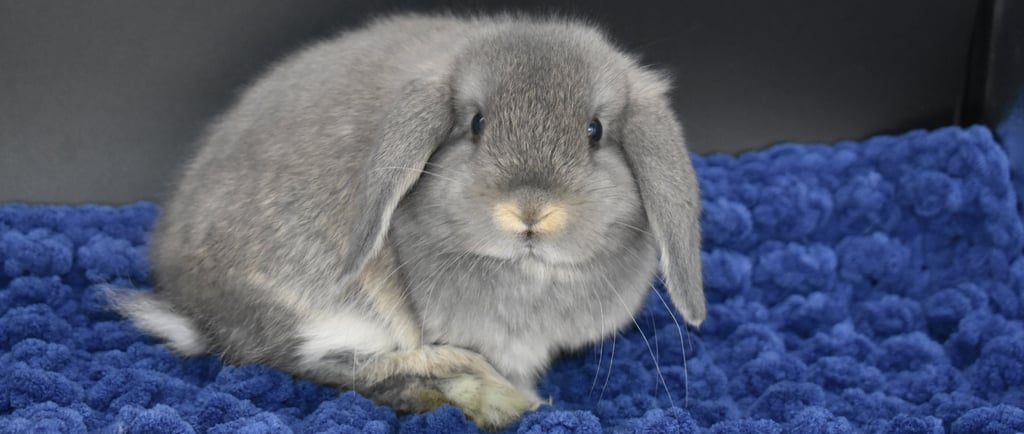
It is easy to buy too much.
It is also easy to buy the wrong things.
Before bringing a rabbit home, focus on what truly supports health, safety, and stability. A calm, prepared environment makes the first days smoother for both you and your rabbit.
Here is what you actually need.
1. A Spacious, Secure Living Area
A rabbit needs room to move, not simply a cage.
An exercise pen or securely rabbit-proofed area allows:
• Stretching fully
• Standing upright
• Multiple hops
• Separation between eating and resting areas
Small cages limit movement and increase stress. A larger space is preferable for the rabbit to move and play.
Flooring should provide traction; slippery surfaces can lead to injury. We use fleece blankets and small rugs to create secure footing.
2. A Thoughtful Litter Box Set-Up
Choose a litter box large enough for your rabbit to turn around comfortably. Some rabbits prefer boxes with plastic grates, while others prefer a high-sided cat-style box.
Fill it with:
• Paper-based litter
• Kiln-dried pine pellets
• Or a washable fleece liner designed for rabbit use
I often recommend washable fleece liners as a reusable, eco-friendly option. They reduce waste, are easy to clean, and can be more economical over time.
Place fresh hay directly in/on the box, above it in a hay rack, or beside the litter box. Rabbits naturally eat and eliminate at the same time; encouraging this habit early makes litter training smoother.
Avoid:
• Clumping cat litter
• Clay litter
• Cedar shavings
Cleanliness matters. A properly maintained litter area supports both hygiene and digestive monitoring.
3. Unlimited Long-Strand Hay
Hay is not bedding. It is food.
Your rabbit should have constant access to fresh hay. If you are unsure what type to choose or how much to offer, I explain the differences in Hay 101. Fresh hay supports:
• Dental wear
• Healthy droppings
• Proper gut motility
Timothy, orchard grass, or meadow hay are appropriate for most adult rabbits.
Alfalfa hay is appropriate for young, growing rabbits but should not be the primary hay for healthy adults.
4. A Heavy Water Bowl
A sturdy ceramic bowl is preferred over a bottle for most rabbits. However, some rabbits have a strong preference for a water bottle. Check with your breeder.
Bowls encourage natural drinking posture and often result in better hydration.
Fresh water should be available at all times.
5. Measured Pellets
Pellets are supplemental; not the foundation of the diet.
Choose a plain, high-fiber pellet without colorful mix-ins.
Feed measured amounts appropriate for your rabbit’s size and age.
Hay should always be the primary food.
6. Safe Chew Toys
Rabbits need to chew.
Offer:
• Untreated wood
• Plain cardboard
• Paper towel rolls
• Safe willow or apple sticks
Avoid anything painted, glued, or coated.
7. A Carrier
You will need a secure carrier for:
• Veterinary visits
• Emergencies
• Travel
Choose one that allows your rabbit to sit comfortably and turn around.
Have it ready before you need it.
8. A Hide or Covered Space
Rabbits are prey animals.
Even the most confident rabbit benefits from a covered area where they can retreat and feel secure.
A simple cardboard hide box or covered corner reduces stress and supports healthy adjustment.
9. Basic Grooming Supplies
You will need:
• A brush appropriate for your rabbit’s coat; ask your breeder what type is most suitable
• Nail clippers designed for small animals
• Styptic powder or corn starch in case of accidental nail bleeding
Regular grooming supports coat health and prevents excessive hair ingestion during molting.
What You Do Not Need
Many pet store items are unnecessary.
You do not need:
• Salt licks
• Mineral blocks
• Yogurt drops
• Tiny cages
• Seed mixes
Simple is better.
Preparation Creates Stability
The first few days in a new home are stressful for a rabbit.
When the environment is prepared in advance, your rabbit can settle more quickly and safely. If you would like to see the specific products and set-ups I use at Hot Cross Buns and recommend, you can find them on my Bunny Care Supplies page.
Inside my First 30 Days Guide, I walk through environment setup, feeding routines, stress reduction, and early health monitoring to help new owners start well.
Preparation is not about perfection; it is about stability.
_______________________________________________________________________________________________________________
You may also find helpful:
Copyright 2016-present. All rights reserved by Hot Cross Buns Holland Lops. All images and content fall under the sole ownership of Hot Cross Buns Holland Lops.
Hot Cross Buns Holland Lops
Oberlin, Ohio
Indoor companion Holland Lops raised with care since 2016.
Email: hcbhollands@gmail.com