
How to Litter Train a Rabbit: A Practical Guide for New Bunny Owners
Learn how to litter train a rabbit using simple, proven techniques. This guide explains rabbit bathroom habits, litter box setup, bedding choices, and tips for successful training.
Amy Jackson & The Hot Cross Buns
3/16/20264 min read
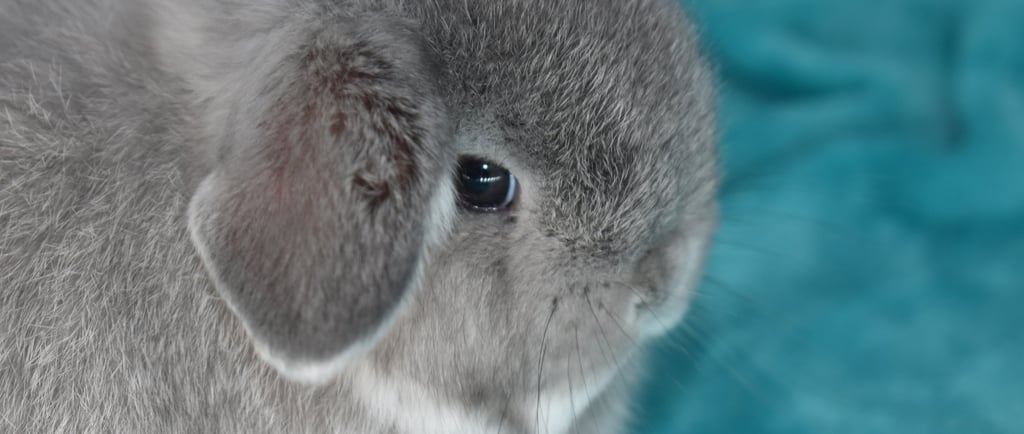

Congratulations on your new bunny. If this is your first pet rabbit, you may already be amused—and slightly astonished—by how many droppings such a small animal can produce. We jokingly refer to them as furry PEZ dispensers for a reason.
The good news is that most rabbits are very capable of being litter box trained. When expectations are realistic and the environment is set up correctly, the process is often straightforward.
Litter training is less about discipline and more about understanding how rabbits naturally behave.
Understanding Your Rabbit’s Bathroom Habits
Rabbits are naturally inclined to maintain consistent bathroom habits. In the wild, rabbits instinctively keep their sleeping and eating areas separate from where they eliminate. This instinct often carries over into domestic rabbits.
Many rabbits will choose a specific corner of their living space and return to that same spot repeatedly. This predictable behavior makes litter training much easier than many new owners expect.
If you notice your rabbit consistently choosing a particular corner, placing the litter box in that location can dramatically increase the likelihood of success.
Rabbits may also show subtle cues before eliminating, such as:
• sniffing the ground
• circling a familiar spot
• pausing suddenly
• raising or wagging the tail
Learning to recognize these cues can help you guide your rabbit toward the litter box at the right moment.
Choosing the Right Rabbit Litter Box
Selecting the right litter box is an important step in successful litter training.
Many rabbit owners use standard cat litter boxes because they provide enough room for a rabbit to sit comfortably while eating hay. Look for a box that is large enough for your rabbit to turn around easily and enter without difficulty.
Some litter boxes include plastic grates that help keep soiled litter away from your rabbit’s feet while allowing urine to drain below. Plastic grates are generally preferable to metal ones because they are gentler on rabbit feet and resist rust.
The goal is to create a litter area that is comfortable, clean, and easy for your rabbit to use.
Choosing Safe Litter and Bedding
The material inside the litter box plays a major role in both comfort and cleanliness.
Common options include:
Compressed wood pellets
• highly absorbent
• excellent odor control
• economical
Paper-based bedding
• soft and comfortable
• widely available
• easy to dispose of
Washable fleece liners
• reusable and environmentally friendly
• comfortable for rabbits
• easy to clean in a washing machine
Avoid cedar or pine shavings. These can release aromatic oils that may be harmful to rabbits. Aspen shavings are safer but are not particularly absorbent.
Setting the Stage for Success
Successful litter training begins with preparation.
I recommend having at least two or three full-size litter boxes available, along with a few temporary shallow boxes such as disposable trays or dishpans. These extra boxes can help a new rabbit establish preferred bathroom areas during the first few days.
Keep paper towels nearby for absorbing urine accidents. A natural enzyme cleaner or a mild mixture of soap, vinegar, and water works well for cleaning mishaps outside the litter box.
The First Few Days With a New Rabbit
During the first few days in a new home, your bunny may ignore the excellent potty habits learned from his mother. Some rabbits adjust immediately. Most need reminders.
Young rabbits often scatter droppings and urine throughout their enclosure. This is normal behavior as they establish their new territory.
Keep the rabbit confined to a smaller area at first, ideally inside an exercise pen or enclosure with multiple litter boxes. A smaller space increases the likelihood of success.
Your job during this stage is simply to observe.
Notice where urine and droppings tend to accumulate. Move litter boxes into those preferred locations rather than insisting your rabbit use a location you chose.
When accidents happen, dab up urine with a paper towel and place it inside the litter box. Gather stray droppings and place them in the box as well. Repeating this process several times each day helps your rabbit follow their own scent back to the correct location.
Over time, most rabbits naturally select one or two preferred litter areas. At that point, extra temporary boxes can gradually be removed.
Why Hay Placement Matters
Most rabbits enjoy eating hay while using the litter box.
Positioning the litter box beneath a hay rack or placing hay directly inside or beside the litter box encourages proper use.
Rabbits instinctively eat and eliminate at the same time. Working with this natural behavior makes litter training much easier.
The Role of Spaying and Neutering
Hormones can complicate litter training.
Intact males may spray urine, while intact females may display territorial urination. Spaying or neutering dramatically improves litter habits in most rabbits.
Consult a rabbit-savvy veterinarian regarding appropriate timing. Many veterinarians recommend neutering between five and seven months of age, depending on the rabbit’s size and health.
What to Expect With Droppings
Urine training is usually very reliable. Perfect droppings placement is less realistic.
Rabbits sometimes release droppings while hopping, which means a few stray poo balls outside the litter box are normal.
What matters more is monitoring the size and shape of the droppings.
Healthy droppings are round and well-formed. Strings of droppings connected by fur may suggest increased hair ingestion and the need for additional grooming and hay. Small or dry droppings may indicate early digestive slowdown and should be monitored carefully.
Litter training not only keeps your home cleaner—it also allows you to monitor your rabbit’s health more easily.
Keeping the Litter Box Clean
Maintaining a clean litter box helps encourage consistent use.
Daily maintenance should include removing droppings and checking for heavily soiled bedding.
Most litter boxes should be fully cleaned three to four times per week, depending on the number of rabbits and their habits. We clean every other day, while some owners do daily cleaning. It's a personal choice.
Use mild soap and water when cleaning. Avoid harsh chemicals that could harm your rabbit.
Rabbit droppings are also excellent compost material for gardens, making disposal relatively simple for many households.
Final Encouragement
Do not become discouraged if the process takes time. Some rabbits learn quickly, while others require patience.
Litter training is less about discipline and more about environment. When the setup supports natural behavior, most rabbits succeed.
It is not magic, but management.
________________________________________________________________________________________________________________
You may also find helpful:
Copyright 2016-present. All rights reserved by Hot Cross Buns Holland Lops. All images and content fall under the sole ownership of Hot Cross Buns Holland Lops.
Hot Cross Buns Holland Lops
Oberlin, Ohio
Indoor companion Holland Lops raised with care since 2016.
Email: hcbhollands@gmail.com