
Can Rabbits Be Emotional Support Animals? What Students and Families Should Know
Can rabbits be emotional support animals? Learn how rabbits can serve as ESAs, how college housing approvals work, and what students should know before choosing a rabbit ESA.
Scheiby E. & Amy Jackson & The Hot Cross Buns
8/14/20244 min read
Can Rabbits Be Emotional Support Animals? What Students and Families Should Know
As mental health care becomes more widely recognized as an essential part of overall well-being, Emotional Support Animals (ESAs) have become an important source of comfort for many people.
Dogs and cats are the animals most commonly associated with emotional support work, but they are not the only animals capable of filling this role. For some individuals—particularly college students—rabbits can make excellent Emotional Support Animals.
This article explores how rabbits can serve as ESAs, why they are sometimes allowed in campus housing, and what students should know before pursuing this option.
Why Rabbits Can Work Well as Emotional Support Animals
Rabbits possess several characteristics that make them appealing as Emotional Support Animals.
Many universities recognize rabbits as suitable ESAs because they are:
• quiet animals
• relatively small in size
• capable of being litter box trained
• unlikely to disturb neighbors in dormitories or apartments
• generally non-threatening to others
Students are often drawn to rabbits for those same reasons. Rabbits can also be affectionate companions depending on their temperament. They are intelligent animals capable of learning simple routines or tricks, and many develop strong bonds with their caregivers.
While rabbits may be small, their personalities are anything but.
Emotional Support Animals on College Campuses
Each college or university has its own policies regarding Emotional Support Animals. Students who believe an ESA may benefit their mental health must typically go through their school’s disability accommodation process.
In most cases this involves:
• documentation from a licensed medical or mental health provider recommending an ESA
• an accommodation request submitted through the school's disability services office
• approval from campus housing administrators
Many schools also require documentation from a veterinarian confirming that the animal is healthy and receiving appropriate care.
While rabbits do not typically require routine vaccinations in many regions, they should still be examined by a rabbit-savvy veterinarian before living in a campus environment.
Students should also be prepared to follow behavioral and sanitation guidelines established by their school.
Emotional Support Animals and the Fair Housing Act
In the United States, Emotional Support Animals are protected under the Fair Housing Act (FHA).
This federal law requires many housing providers, including university housing in certain situations, to make reasonable accommodations for individuals with documented disabilities who require an assistance animal.
Under the FHA:
• ESAs are not considered pets
• pet fees may not apply to approved ESAs
• breed or size restrictions that apply to pets may not apply to ESAs
However, the ESA must still behave appropriately and the owner remains responsible for maintaining a clean and safe living environment.
Because policies vary between schools, students should always work directly with their university’s disability services office to understand their specific requirements.
A Real Example: Trinket and Her College Student
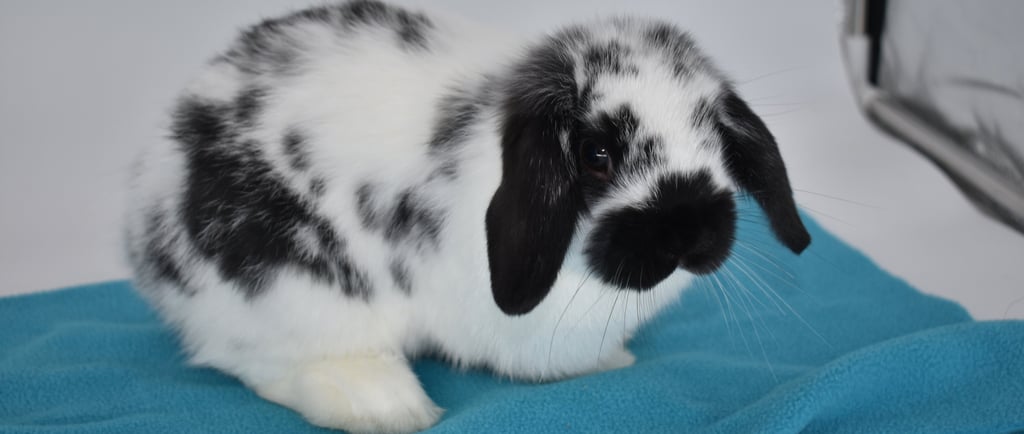
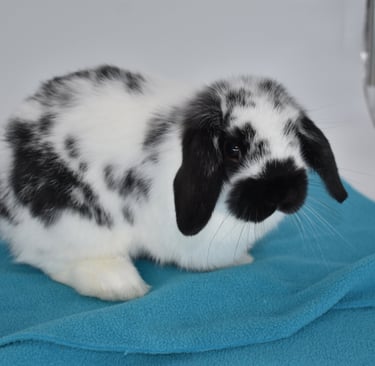
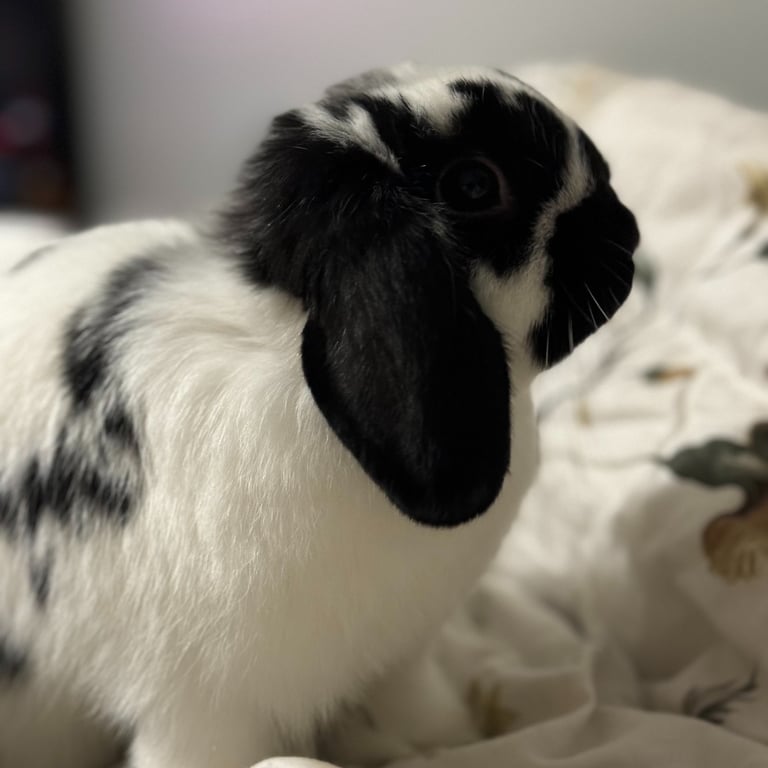
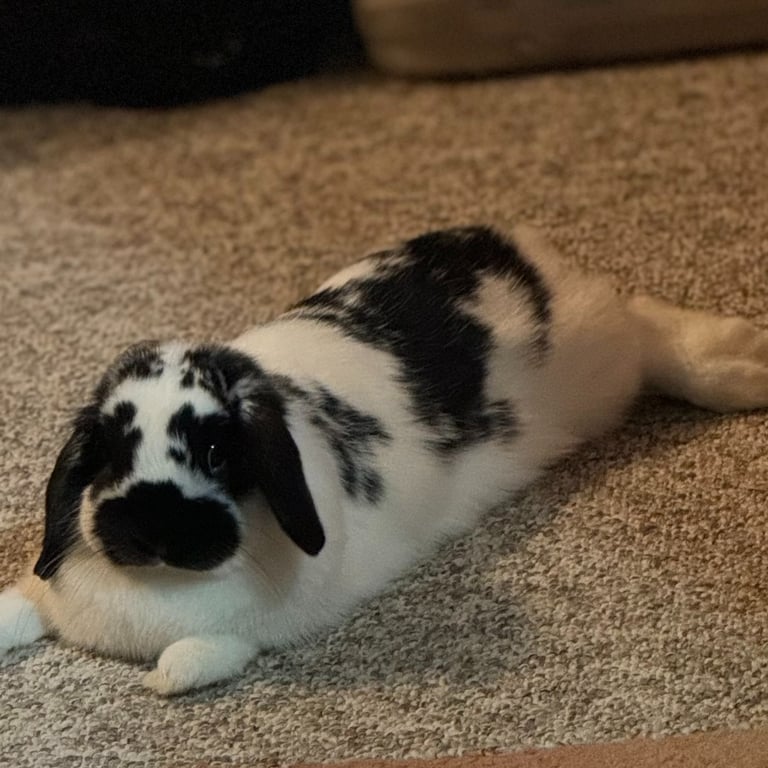
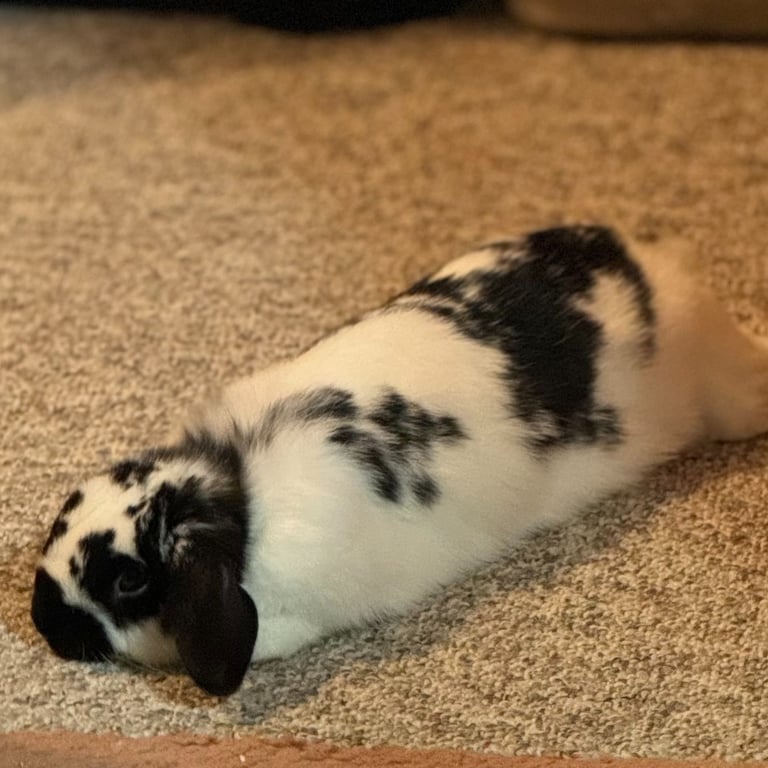
One of our clients, Scheiby E., adopted Trinket (HCB’s Cheerio) as her Emotional Support Animal while attending college.
Scheiby shared part of the process she went through in order to have Trinket approved for campus housing:
"I first had a meeting with my Student Disability Services (SDS) advisor to present my doctor's note recommending an ESA and explain why I needed one. I filled out an accommodation request form and downloaded a veterinarian form from the school. After submitting the paperwork and registering her with the school, I waited for approval."
Scheiby also explained that the process must be repeated each year:
"Every year I have to re-register her with the school. They also provide a list of expectations for ESA behavior and cleanliness in campus housing."
When asked whether having Trinket helped her personally, Scheiby shared:
"Definitely. When I'm stressed, I'll sit on the floor and spend my break training and interacting with her. Sometimes she wants attention while I'm working, and sometimes she just runs around while I watch her.
Trinket also helps me get up in the mornings because I know I need to give her breakfast and let her run around."
She also noted an unexpected benefit:
"I sometimes forget meals for myself, but I never forget Trinket's meals. I've started using her feeding times as a reminder to take care of myself too."
Matching the Right Rabbit to the Right Person
Helping Scheiby find the right rabbit was an incredibly rewarding experience for us.
She took the time to research rabbit care carefully and was patient while waiting for a rabbit with the temperament she hoped for. When Trinket was finally ready to join her new home, the match proved to be a wonderful one.
Seeing the trust and companionship that developed between them has been a joy.
Rabbits may not be the right Emotional Support Animal for everyone, but for the right person, they can become an extraordinary source of comfort and companionship.
Final Thoughts
If you are considering a rabbit as an Emotional Support Animal, start by learning about the responsibilities of rabbit care and the accommodation process at your school or housing provider.
Rabbits are intelligent, sensitive animals that thrive with attentive care and a stable environment. When the match is right, they can offer companionship, routine, and quiet comfort during some of life's most stressful seasons.
________________________________________________________________________________________________________________
You may also find helpful:
Copyright 2016-present. All rights reserved by Hot Cross Buns Holland Lops. All images and content fall under the sole ownership of Hot Cross Buns Holland Lops.
Hot Cross Buns Holland Lops
Oberlin, Ohio
Indoor companion Holland Lops raised with care since 2016.
Email: hcbhollands@gmail.com