
How Long Do Rabbits Live? A Realistic Look at Lifespan and Commitment
How long do rabbits live? Learn the realistic lifespan of indoor pet rabbits, what influences longevity, and what long-term commitment truly means for families. This post offers both hope and honest perspective for prospective rabbit owners.
START HERE
Amy Jackson & The Hot Cross Buns
3/19/20263 min read
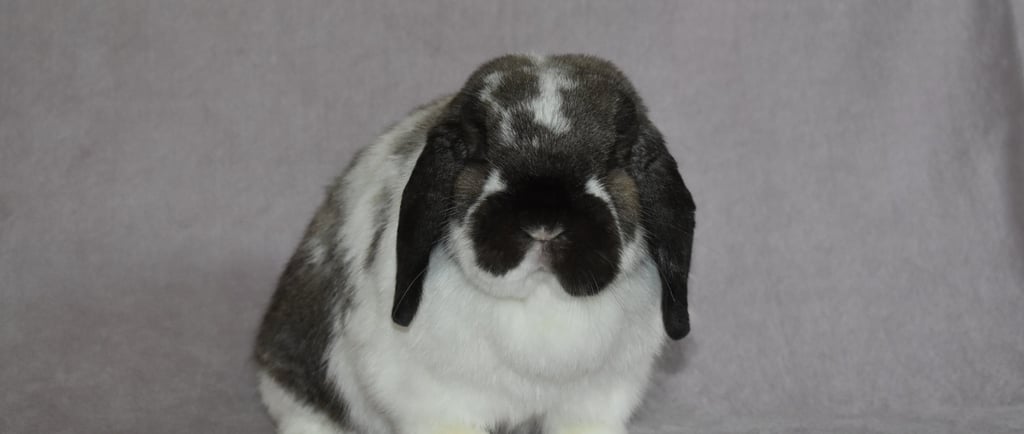

One of the most important questions you can ask before bringing a rabbit home is not about color, size, or personality. It is this: how long will this rabbit be part of our family?
Rabbits are not short-term pets. With proper care, many pet rabbits live far longer than people expect. However, longevity is possible, not guaranteed, and that distinction matters.
The Average Lifespan of a Pet Rabbit
Most well-cared-for indoor rabbits live between eight and twelve years. Some live longer. Genetics, diet, housing, veterinary care, and stress levels all influence longevity. Indoor rabbits typically live significantly longer than rabbits housed outdoors, and spaying or neutering plays a major role in long-term health.
A rabbit is not a two- or three-year commitment. It is closer to a decade, and sometimes more.
At the same time, not every rabbit reaches the upper end of that range. Some develop dental disease. Some develop cancer. Some experience sudden gastrointestinal crises. Others decline in ways that feel abrupt and deeply unfair. Even with attentive care and appropriate veterinary support, outcomes are not entirely within our control. Genetics matter. Environment matters. There is also an element of unpredictability that no owner can fully eliminate.
That reality does not diminish the value of preparation. It simply makes preparation wiser.
A Real-Life Perspective
We recently received an update from a family whose rabbit just celebrated her eleventh birthday. She was one of our early breeding does, originally acquired from another breeder, and she continues to thrive.
Here at home, Sweet Tart is nine and a half years old, and Goldilocks just turned eight and a half. Both remain bright, engaged, and very much part of daily life.
Longevity like this is not unusual when rabbits are housed indoors, fed a hay-based diet, and monitored carefully for health changes. Thoughtful care genuinely does make a difference over time. However, I have also seen rabbits lost far sooner than anyone expected, despite careful management. Both experiences are part of responsible rabbit ownership.
What Influences Lifespan?
Several factors consistently matter.
• Unlimited long-strand hay
• Proper dental wear
• Stable housing with room to move
• Routine veterinary care
• Stress reduction
• Spaying or neutering
Chronic stress, poor diet, untreated dental issues, and lack of veterinary oversight shorten lifespan significantly. Rabbits are delicate in some ways, but they are also remarkably resilient when their needs are met consistently.
The Commitment Question
A rabbit brought home for a young child may still be present when that child leaves for college. Circumstances change. Interests change. Schedules change. Daily care does not.
When considering a rabbit, it is wise to ask whether you will still be prepared to provide consistent care many years from now. That includes veterinary planning, appropriate housing space, financial responsibility, and emotional commitment.
It also means accepting that while your rabbit may live well into their senior years, you may one day face unexpected loss. Both possibilities require maturity.
Longevity is a blessing, but it is also responsibility.
Aging Gracefully
Older rabbits often become calmer, more predictable, and deeply bonded to their families. Senior rabbits may require closer weight monitoring, dietary adjustments, more frequent veterinary visits, and gentle grooming support. However, they are not fragile decorations. They are seasoned companions whose personalities are fully formed.
A Long-Term Perspective
Rabbits are sometimes marketed as temporary pets. They are not. They are long-term companions whose stability depends entirely on the stability of their environment.
When families prepare realistically and care consistently, rabbits can live full, steady lives measured in many years rather than seasons. When loss comes sooner than hoped, it does not erase the significance of the life shared.
Inside my First 30 Days Guide, I emphasize early routines that protect long-term health because small decisions made at the beginning often shape outcomes over time.
A rabbit’s life is not brief by default. It is shaped by genetics, environment, and care. Our responsibility is to provide the best conditions possible and to commit wholeheartedly to the years we are given.
________________________________________________________________________________________________________________
You may also find helpful:
Considering a Rabbit?
If you’re in the process of preparing for a rabbit and beginning to think about next steps, you’re welcome to spend some time with our Available Buns page to see who may be a good fit.
If you’re still learning, that’s completely fine too. Many families spend time here first before deciding whether the timing is right.
When you feel ready, you can learn more about how our placement process works on the Before You Apply page.
Copyright 2016-present. All rights reserved by Hot Cross Buns Holland Lops. All images and content fall under the sole ownership of Hot Cross Buns Holland Lops.
Hot Cross Buns Holland Lops
Oberlin, Ohio
Indoor companion Holland Lops raised with care since 2016.
Email: hcbhollands@gmail.com