
The Real Cost of Owning a Pet Rabbit
Thinking about getting a rabbit? Before bringing one home, it is important to understand the real cost of proper housing, nutrition, veterinary care, and long-term commitment. This post outlines what to expect and how to plan realistically.
Amy Jackson & The Hot Cross Buns
3/18/20263 min read
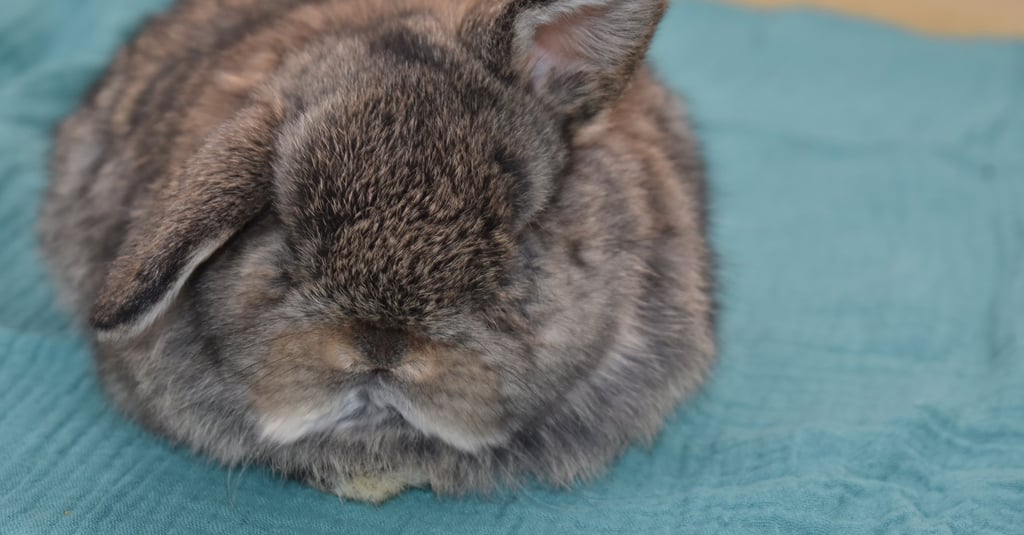

It is easy to fall in love with a rabbit.
It is less common to sit down and consider the real cost of caring for one well.
Before bringing any rabbit home, it is important to understand that the purchase price is only the beginning. Proper housing, consistent nutrition, veterinary care, and daily attention are the true long-term investments.
This is not meant to discourage you.
It is meant to help you plan wisely.
The Initial Setup
Before your rabbit ever arrives, you will need:
• A spacious exercise pen or secure living area
• A large litter box
• Safe flooring with traction
• Unlimited long-strand hay
• Food and water bowls
• Quality pellets
• Safe chew materials
• A secure carrier
• Basic grooming supplies
Depending on the quality and durability of what you choose, startup costs can range from moderate to significant. Investing in appropriately sized, sturdy equipment from the beginning often prevents the need to repurchase later.
Small cages and decorative setups may appear economical, but they rarely meet a rabbit’s long-term needs.
Bigger and safer is almost always the better investment.
The Rabbit Itself
Rabbits from responsible breeders are typically priced higher than rabbits acquired casually.
That price reflects:
• Careful breeding
• Health monitoring
• Early socialization
• Ongoing breeder support
Rescued rabbits may have lower adoption fees, but their long-term care costs remain the same.
The purchase price should never be the largest part of your rabbit budget.
Ongoing care will exceed it over time.
Monthly Costs
Rabbits require consistent, high-quality nutrition.
Plan for ongoing expenses such as:
• Hay
• Pellets
• Litter
• Replacement of chew materials
• Occasional housing updates
Monthly costs vary depending on location and supply choices, but hay and litter are steady, recurring expenses.
Cutting corners in diet often leads to higher veterinary costs later.
How Rabbit Costs Compare to Dogs and Cats
Many families assume rabbits are far less expensive than dogs or cats.
In some ways, that can be true.
Rabbits generally eat less than a large dog and do not require daily outdoor walks. They do not need routine grooming appointments unless they have specialized coats.
However, rabbits are medically specialized.
Veterinary care typically requires an exotic-animal veterinarian, and those appointments can cost as much as, or more than, standard dog or cat visits.
Emergency care can be significant for any species, and rabbits tend to decline quickly when ill, which means waiting is rarely wise.
They are not “starter pets” or budget pets.
They are simply different.
Over time, the cost of proper rabbit care is comparable to caring for a well-maintained dog or cat.
Veterinary Care
This is the area many families underestimate.
Routine veterinary expenses include:
• Wellness exams
• Spay or neuter surgery
• Unexpected illness or injury
Having a rabbit-savvy veterinarian identified before you need one is part of responsible planning.
A Word About Emergency Costs
Unexpected veterinary care can be expensive.
For most families, a true emergency will feel disruptive. Even well-prepared households can feel the strain of sudden medical bills.
The question is not whether it would feel inconvenient.
The question is whether you have a plan.
That plan might include:
• A dedicated savings fund
• Pet insurance
• Access to credit
• A clear understanding of your financial limits
Emergencies are unpredictable. Planning does not eliminate stress, but it does reduce panic.
Responsible ownership does not require unlimited resources.
It requires thoughtful preparation and honest self-assessment.
The Cost of Time
There is also the investment of time.
Rabbits require:
• Daily feeding and fresh water
• Litter maintenance
• Social interaction
• Grooming during molting
• Observation for subtle health changes
They are quiet animals, but they are not low-maintenance.
Long-Term Commitment
Most pet rabbits live many years with proper care.
Over time, the cumulative cost of food, litter, housing upgrades, and veterinary care will far exceed the initial purchase price.
The goal is not to calculate down to the dollar.
The goal is to ask:
Can we comfortably provide consistent care without strain or resentment?
If the answer is yes, you are planning well.
If the answer is uncertain, waiting may be wise.
Thoughtful Ownership Is the Real Investment
Rabbits thrive when their owners prepare realistically.
Inside my First 30 Days Guide, I walk through early routines, feeding structure, housing setup, and what to monitor during adjustment. Preparation reduces mistakes, and mistakes are often costly.
Owning a rabbit is not inexpensive, but when done thoughtfully, it is deeply rewarding.
Preparation protects both you and your rabbit.
________________________________________________________________________________________________________________
You may also find helpful:
Copyright 2016-present. All rights reserved by Hot Cross Buns Holland Lops. All images and content fall under the sole ownership of Hot Cross Buns Holland Lops.
Hot Cross Buns Holland Lops
Oberlin, Ohio
Indoor companion Holland Lops raised with care since 2016.
Email: hcbhollands@gmail.com