
Adopting an Older Rabbit: What to Expect When You Bring Your Bun Home
Adopting an older rabbit can be incredibly rewarding. Learn what to expect during the first weeks and how to help your new bunny feel safe and loved as he or she settles in to a new life with you.
Amy Jackson & The Hot Cross Buns
9/25/20245 min read
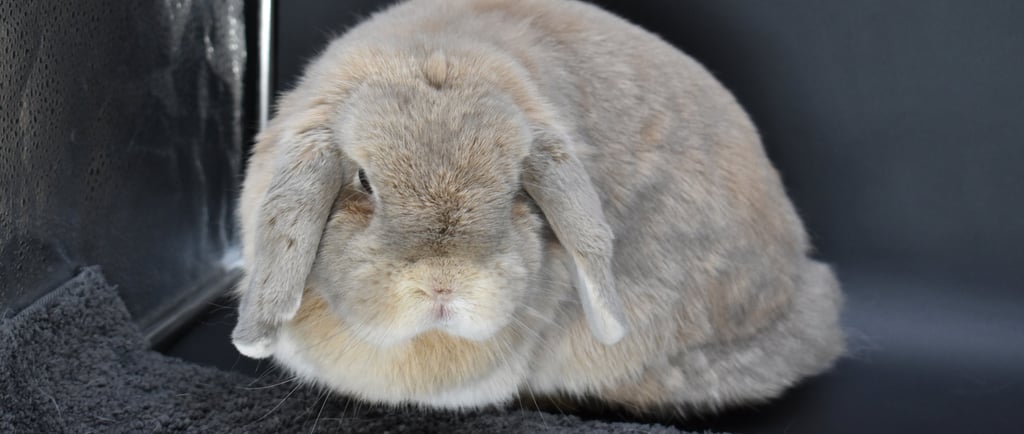
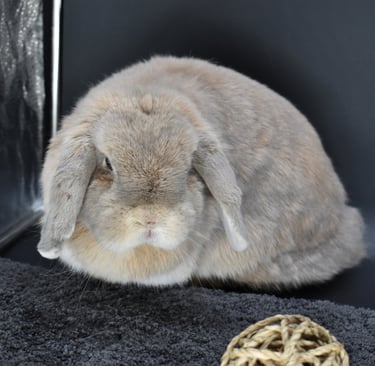
Adopting an Older Rabbit: What to Expect When You Bring Your Bun Home
Bringing home an older rabbit can be one of the most rewarding experiences for a bunny-loving family. Whether your rabbit is a retired breeding Bun, a rabbit being rehomed by a previous family, or a special rabbit adopted from a shelter, older rabbits often need time, patience, and understanding as they adjust to a new life.
Opening your home to a pre-loved bunny is a wonderful decision, but it’s important to remember that every rabbit arrives with a history you may never fully know. Like people, rabbits carry a bit of “bunny baggage.” Understanding this will help you form a deeper, more compassionate bond with your new companion.
Being uprooted from the life they previously knew — no matter how good or bad it may have been — is not easy for a rabbit. They need patience, kindness, and time as they learn to trust their new home and the people in it.
Start Slowly
Our best advice is simple: move slowly and adjust your expectations at the beginning.
Your rabbit needs time to settle into their new home and feel safe before they can focus on forming relationships with the people around them.
Rabbits are prey animals. When everything around them suddenly changes, their instincts tell them to be cautious. Your new rabbit may feel nervous or unsure until they realize they are safe. For some rabbits this takes a few hours, for some a few days. For others it may take a few weeks.
During this early stage, focus on calmly caring for your rabbit’s basic needs:
• fresh hay
• food and water
• a clean litter box
• gentle tidying of their space
Avoid picking up or handling your rabbit unless it is absolutely necessary. Allow them time to observe their new surroundings and begin to relax.
Occasionally a rabbit will immediately seek attention and interaction, but this is the exception rather than the rule.
Seeing the World Through Your Rabbit’s Eyes
Try to imagine the situation from your rabbit’s perspective.
One moment they were in a familiar place where they understood the smells, sounds, and routines of daily life.
Then suddenly:
• they were placed in a carrier
• taken on a noisy car ride
• surrounded by unfamiliar scents and voices
• and brought somewhere completely new
Now they are told this strange place is home.
To us, bringing a rabbit home is exciting. To the rabbit, it can feel confusing and overwhelming.
Your bunny may be nervous, unsure, or even a little grumpy at first. This is completely normal.
Before trust can grow, your rabbit must first learn that they are safe.
Earning Your Rabbit’s Trust
Your rabbit needs time to explore their new living space and understand their surroundings.
They need to discover:
• where the hay is
• where the water bowl is
• where the litter box is
• and where they can rest comfortably
Everything smells different. Everything sounds different. Everything feels unfamiliar.
Until your rabbit has had time to process these changes, they simply cannot be expected to immediately trust the new humans around them.
Your role during this stage is quiet support. Provide consistent care, move gently, and allow your rabbit to observe you.
Quiet Companionship
You don’t need to ignore your rabbit completely.
One of the best ways to build trust is simply being nearby without asking anything from them.
Sit quietly outside the pen.
Read a book.
Scroll quietly on a device.
Talk softly so your rabbit becomes familiar with your voice.
This allows your rabbit to learn your scent, your sound, and your presence without feeling threatened.
Over time they will realize something important:
You are not a predator.
You are not a threat.
You are safe.
Signs Your Rabbit Is Beginning to Relax
As your rabbit grows more comfortable, you will begin to notice encouraging signs.
A relaxed rabbit may:
• flop onto their side and rest
• begin playing with toys
• perform binkies and zoomies
• stretch up on their hind legs
• push their nose through the pen bars
• gently boop you with their nose
These are wonderful signals that your rabbit is beginning to feel safe.
Taking the Next Step
Once your rabbit seems relaxed in their space, you can begin spending quiet time inside the pen with them.
Sit quietly and ignore them at first. Read or rest while allowing them to explore you at their own pace.
The most important rule during this stage is:
Let your rabbit come to you.
Curiosity will eventually win.
They may sniff you, boop you with their nose, or even climb across your legs like a tiny jungle gym.
One helpful trick is to lie face-down on the floor and pretend to sleep. Rabbits often feel safer approaching someone who appears relaxed and non-threatening.
You may feel whiskers tickle your hands or face as your bunny investigates.
Try not to react too suddenly — as difficult as that may be!
Move slowly and speak gently when you need to stand up so you don’t startle them.
Building a Bond
As trust grows, you can slowly begin interacting more.
Start by extending a finger or two to gently pet your rabbit’s head or back. Over time you can build up to petting with your whole hand or gently rubbing their cheeks.
A tiny treat can sometimes help a shy rabbit take that first brave step toward trusting you. A small piece of banana, parsley, or basil may encourage them to approach.
Just remember that treats should remain very small and occasional.
Interactive Play
Some rabbits love to interact through games.
You can try simple activities like hiding a blueberry under one stacking cup and a few oats under another. Whichever cup your rabbit chooses becomes their reward.
As you learn your rabbit’s personality, you will discover many enjoyable ways to spend time together.
The key ingredients are always the same:
patience, gentleness, and allowing your rabbit to set the pace.
A Lesson We Learned the Hard Way
Even experienced rabbit keepers sometimes forget how overwhelming a big change can be.
When our doe Genevieve met Olivia, her future Bun-mom, she was outgoing, curious, and full of personality. Naturally, Olivia expected Genevieve to behave the same way once she arrived home.
But when Genevieve — now renamed Maple — arrived at her new home, she needed time and space to adjust.
We should have prepared Olivia for that possibility, and for that we sincerely apologize to them both.
Even confident rabbits need time to adapt to a completely new life.
The Reward Is Worth the Wait
Adopting an older rabbit is not always the easiest path. There may be hesitation, nervousness, or even a bit of bunny attitude in the beginning.
But the reward is extraordinary.
Earning a rabbit’s trust — slowly, patiently, and respectfully — creates a bond that is incredibly meaningful.
We remain hopeful that Olivia and Maple will soon reach their happy ending together.
After all, Maple once refused to “speak” to us for nearly a month after her spay… before forgiving us and returning to her demanding, pampered-princess self.
With patience, love, and perhaps the occasional banana chunk, we believe Maple and Olivia will find joy together very soon.
Frequently Asked Questions About Adopting an Older Rabbit
How long does it take an older rabbit to adjust to a new home?
Most rabbits begin relaxing within several days, but some may take a few weeks before they feel completely comfortable.
Are older rabbits harder to bond with than baby rabbits?
Not necessarily. Many older rabbits are calmer and easier to understand than young rabbits. They may simply need patience during the first weeks.
Should I pick up my rabbit when I first bring them home?
It is best to avoid handling your rabbit during the first few days unless necessary. Allow them time to explore their new environment and feel safe.
________________________________________________________________________________________________________________
You may also find helpful:
Copyright 2016-present. All rights reserved by Hot Cross Buns Holland Lops. All images and content fall under the sole ownership of Hot Cross Buns Holland Lops.
Hot Cross Buns Holland Lops
Oberlin, Ohio
Indoor companion Holland Lops raised with care since 2016.
Email: hcbhollands@gmail.com