What Is a Dwarf Rabbit
what is a dwarf rabbit? Learn how the dwarf gene works, including the difference between true dwarf and false dwarf, and which rabbit breeds carry dwarf genetics.
Amy Jackson & The Hot Cross Buns
2/16/20243 min read
What Is a Dwarf Rabbit?
People often hear the term “dwarf rabbit” and assume it simply means a very small rabbit.
The truth is a little more interesting than that.
In the rabbit world, dwarf does not simply refer to size. It refers to a specific genetic trait that affects how the rabbit grows and develops.
Understanding this trait helps explain why some rabbits are smaller, why some litters contain very tiny babies called peanuts, and why responsible breeders pay close attention to dwarf genetics.
The Dwarf Gene
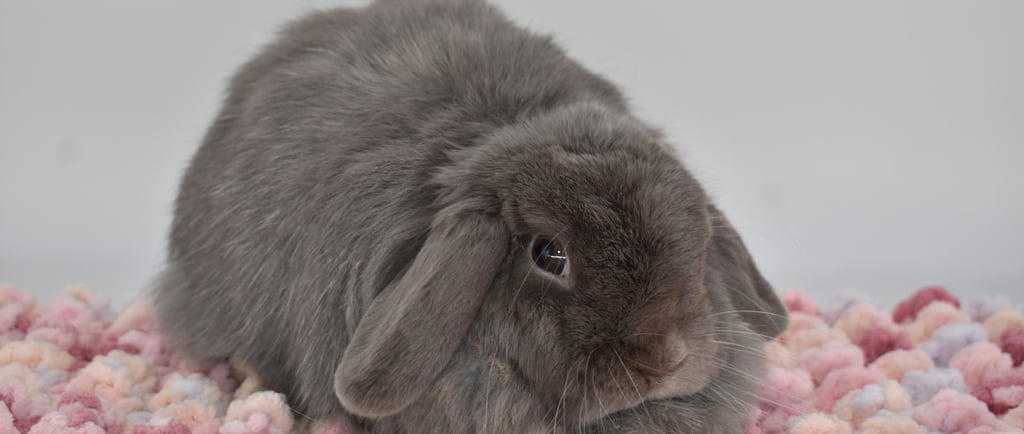
The small size seen in many popular pet rabbit breeds is caused by what breeders call the dwarf gene.
This gene shortens the rabbit’s body and gives dwarf breeds their distinctive look:
compact body
shorter ears
rounder head
shorter face
Breeds that carry the dwarf gene include:
Netherland Dwarf
Holland Lop
Mini Rex
Lionhead
American Fuzzy Lop
These breeds are often called dwarf breeds, even though some individuals may be larger depending on their genetics.
True Dwarf and False Dwarf
When two rabbits that carry the dwarf gene are bred together, three possible outcomes can occur in the babies.
Breeders often refer to these as:
True dwarf
These rabbits inherit one copy of the dwarf gene. They are the small, compact rabbits most people picture when they think of dwarf breeds.
False dwarf
These rabbits do not inherit the dwarf gene. They are usually a bit larger with longer bodies and ears. In Holland Lops, these rabbits can still make excellent pets and sometimes become excellent breeding animals.
Peanuts
Peanuts inherit two copies of the dwarf gene. Unfortunately, this combination is not viable. Peanut rabbits are extremely tiny and usually pass away within a few days of birth.
Understanding this genetic pattern is an important part of responsible rabbit breeding.
Dwarf Rabbits Are Not Always Tiny
One common misconception is that every dwarf rabbit will be extremely small.
In reality, rabbits that carry the dwarf gene may vary in size depending on their genetics and breed standards.
For example:
Netherland Dwarfs are typically 1.5–2.5 pounds
Holland Lops are usually 3–4 pounds
Mini Rex rabbits are slightly larger
Even within the same litter, rabbits can vary quite a bit in size.
Personality and Temperament
Size does not determine personality.
Many dwarf breeds are known for being curious, playful, and interactive with their families. However, each rabbit is still an individual.
A rabbit’s temperament is influenced by many factors, including:
genetics
early handling
environment
socialization
Some rabbits are very outgoing, while others are more quiet and observant.
Special Considerations for Dwarf Breeds
Because of their compact skull structure, some dwarf rabbits may be more prone to dental problems.
Their teeth grow continuously throughout their lives, so maintaining a diet rich in high-quality hay is essential to help keep their teeth worn down properly.
Regular veterinary care and good nutrition go a long way in supporting a healthy rabbit.
Tiny Rabbits With Big Personalities
Dwarf rabbits may be small, but they often have very big personalities.
Their compact size and expressive faces have made them some of the most beloved companion rabbits in the world. With proper care, these little rabbits can live happy, healthy lives and become wonderful members of the family.
Understanding how dwarf genetics works simply helps us appreciate these remarkable little animals even more.
________________________________________________________________________________________________________________
We embrace the amazing uniqueness of our Holland Lops and invite you to further read about the variations and behaviors that result as they express themselves.
Considering a Rabbit?
If you’re in the process of preparing for a rabbit and beginning to think about next steps, you’re welcome to spend some time with our Available Buns page to see who may be a good fit.
If you’re still learning, that’s completely fine too. Many families spend time here first before deciding whether the timing is right.
When you feel ready, you can learn more about how our placement process works on the Before You Apply page.
Copyright 2016-present. All rights reserved by Hot Cross Buns Holland Lops. All images and content fall under the sole ownership of Hot Cross Buns Holland Lops.
Hot Cross Buns Holland Lops
Oberlin, Ohio
Indoor companion Holland Lops raised with care since 2016.
Email: hcbhollands@gmail.com