
Rabbit Respiratory Infection (Snuffles): What It Is and What to Watch For
Rabbit respiratory infection, often called snuffles, can begin with subtle symptoms like sneezing or nasal discharge. Learn what to watch for and when to seek veterinary care.
Amy Jackson & The Hot Cross Buns
5/14/20262 min read
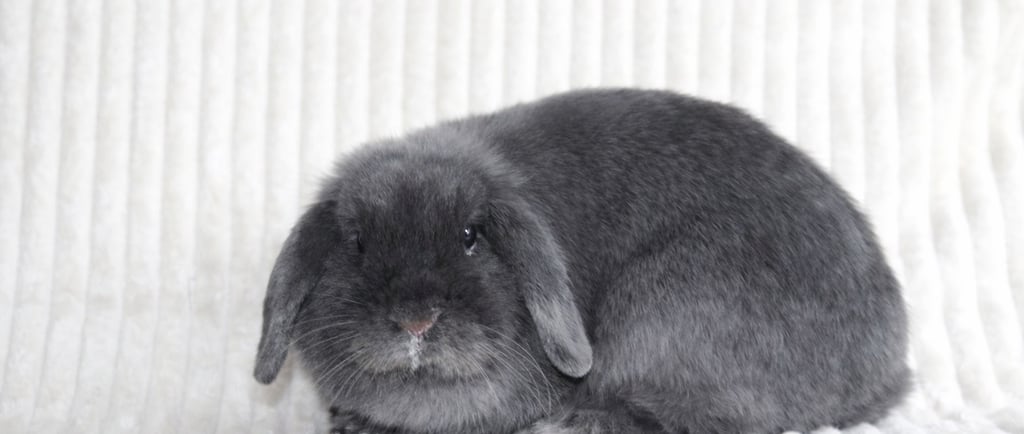
Rabbit Respiratory Infection (Snuffles): What It Is and What to Watch For
When Something Isn’t Quite Right
Respiratory infections in rabbits are often discussed in ways that make them seem common or expected.
In our experience, this is not something we see routinely in healthy rabbits raised in a stable, well-managed environment. Over many years of raising Holland Lops, signs such as persistent sneezing or nasal discharge have been uncommon.
Because of that, when they do appear, they deserve careful attention.
What “Snuffles” Actually Refers To
“Snuffles” is a general term used to describe respiratory infection in rabbits.
It is often associated with a bacteria called Pasteurella multocida, though it is not the only possible cause. Some rabbits may carry this bacteria without showing symptoms, while others develop noticeable illness.
The term itself can sound mild, but the condition it describes is not something to dismiss. It is highly contagious and, without timely and appropriate treatment, can become life-threatening.
How It Often Begins
Respiratory infections rarely begin with dramatic symptoms.
In many cases, the first signs are subtle. A slight runny nose, occasional sneezing, or dampness on the inside of the front paws may appear first.
At this stage, a rabbit may still be eating and behaving normally.
You can read more about these early signs in Rabbit Runny Nose, where we look more closely at what changes to watch for.
Because these early signs can appear mild, it is easy to delay action. This is often where time is lost.
How Symptoms Progress
When a respiratory infection develops, symptoms tend to become more consistent rather than remaining occasional.
Discharge may shift from clear to thicker, white or yellow in appearance. Sneezing may become more frequent. The fur around the nose and paws may remain damp from repeated cleaning.
Some rabbits begin to show reduced appetite or lower energy. Breathing may sound more noticeable, sometimes with a congested or heavier quality.
These changes suggest that the issue is no longer simple irritation. Waiting for symptoms to become obvious often means the condition has already progressed beyond the earliest, easiest to treat stage.
Why These Infections Can Be Ongoing
One of the challenges with respiratory infections in rabbits is that they are not always simple to resolve completely.
Bacteria may remain within the system even after symptoms improve. This can lead to periods where a rabbit appears well, followed by flare-ups under stress or changing conditions.
Because of this, management and early recognition often matter more than expecting a single, permanent resolution.
What Matters Most for Rabbit Owners
For most rabbit owners, the goal is not to identify a specific organism at home.
What matters most is recognizing when something is no longer normal.
A rabbit with a consistently dry, clear nose who suddenly develops discharge or begins sneezing repeatedly is giving you useful information.
These changes are not something we consider routine, and responding early can make a significant difference in outcome.
When to Seek Veterinary Care
Respiratory symptoms should not be left to resolve on their own once they become consistent.
Seek veterinary care if you notice:
• Persistent sneezing
• Visible nasal discharge
• Thick or colored mucus
• Reduced appetite
• Lower energy
• Changes in breathing
Early evaluation allows for treatment to begin before the condition becomes more advanced and more difficult to manage.
A Calm and Observant Approach
Respiratory infections in rabbits are not something most owners see, which is why it's important to notice when something changes.
Paying attention to small differences and responding early can make a meaningful difference in how a rabbit recovers. Respiratory infections such as those associated with Pasteurella are not something to ignore. When addressed promptly, outcomes are often far better than when care is delayed.
Copyright 2016-present. All rights reserved by Hot Cross Buns Holland Lops. All images and content fall under the sole ownership of Hot Cross Buns Holland Lops.
Hot Cross Buns Holland Lops
Oberlin, Ohio
Indoor companion Holland Lops raised with care since 2016.
Email: hcbhollands@gmail.com