
Rabbit Runny Nose: What It Means and When to Worry
Rabbit runny nose is not common in healthy rabbits and may signal irritation or respiratory infection. Learn what to watch for and when to seek veterinary care.
Amy Jackson & The Hot Cross Buns
5/12/20263 min read
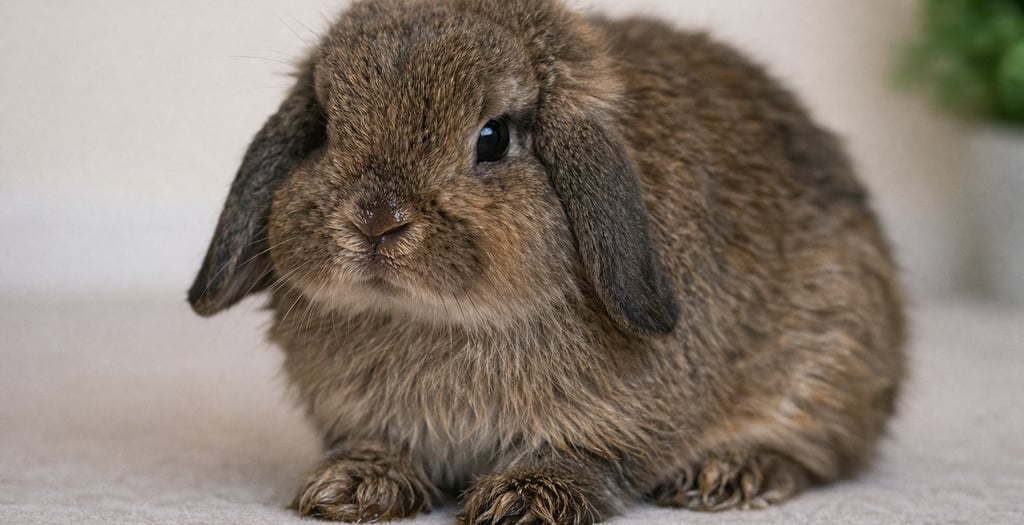
Rabbit Runny Nose: What It Means and When to Worry
When a Small Change Stands Out
A rabbit’s nose is usually quiet and unremarkable.
It moves gently as they breathe, twitching as he explore his surroundings, but it should not appear wet or leave visible discharge. Because of that, even a small change can stand out quickly.
You may notice a slight dampness, a bit of moisture around the nostrils, or fur that looks matted or stained. Sometimes sneezing appears alongside it. At first, it can seem minor.
Over time, it becomes something you cannot ignore.
A Note From Experience
In our rabbitry, this is not something we see routinely.
Healthy rabbits kept in a clean, well-managed environment rarely show signs of sneezing or nasal discharge. Over many years of raising Holland Lops, it is something we have encountered very infrequently.
Because of that, when a rabbit does develop a runny nose or begins sneezing, we treat it as meaningful rather than incidental.
While occasional irritation can happen, ongoing symptoms are not something we consider normal.
What a Runny Nose Can Indicate
In other cases, the cause is more significant.
Bacterial respiratory infections can develop when bacteria take hold in the nasal passages or sinuses. One of the most commonly discussed organisms is Pasteurella multocida, often referred to as “snuffles.”
Not every rabbit with respiratory symptoms will have Pasteurella, and not every rabbit carries it in a way that causes illness. However, when symptoms such as persistent discharge or repeated sneezing appear, bacterial infection becomes an important consideration.
These infections often begin quietly and become more noticeable over time if not addressed.
When It’s Brief and Self-Resolving
Not every episode of nasal discharge points to illness.
On one occasion, we had a buck (Joshua) inhale a small piece of hay. The reaction was immediate and noticeable. He snorted, made awful wheezing sounds, expelled a significant amount of nasal mucus, and cleared the irritation within a few minutes.
Afterward, he returned to completely normal behavior, with no lingering symptoms. Had it not resolved quickly, we would have rushed him to the vet because it was truly terrifying to hear him struggle to breathe.
Situations like this are typically brief and self-resolving. The key difference is that they do not continue.
When moisture or sneezing persists, or appears without a clear cause, it should be viewed differently.
When It Becomes More Concerning
As a respiratory issue develops, the signs tend to become more consistent.
Discharge may remain present rather than appearing briefly. Sneezing may occur more frequently. The fur around the nose or the inside of the front paws may stay damp or become crusty from repeated cleaning.
Some rabbits begin to show reduced appetite or lower energy. Breathing may sound slightly congested or different than usual.
These changes suggest that the issue is no longer simple irritation.
Signs That Require Prompt Veterinary Care
There are certain changes that should not be monitored at home.
Seek veterinary care if you notice:
• Thick, white, yellow, or green discharge
• Persistent or frequent sneezing
• Noisy or labored breathing
• Reduced appetite
• Lethargy
• Crusting around the nose or paws
These signs indicate that infection or deeper respiratory involvement is likely.
The Role of Environment
Dust, strong scents, poor ventilation, or ammonia buildup can irritate the respiratory tract.
However, the presence of dust alone does not mean a rabbit will develop symptoms. Many rabbits tolerate normal environmental exposure without issue.
When irritation does occur, improving air quality, offering lower-dust hay, and maintaining a clean living space can help.
If symptoms resolve quickly with these changes, the cause was likely environmental.
If they persist, something more may be developing.
Why Early Recognition Matters
Respiratory issues in rabbits rarely resolve on their own once infection is established.
Infections such as those associated with Pasteurella can become more difficult to manage once established, which is why early attention matters.
In my experience, the rabbits who do best are the ones whose owners notice the change early and respond without delay.
A Calm, Thoughtful Response
A runny nose is easy to dismiss at first.
It does not always look urgent, and rabbits often continue eating and behaving normally in the early stages. That is what makes it important to notice patterns rather than waiting for obvious decline.
If something feels different, it is worth a closer look.
Acting early does not create unnecessary concern, but the opportunity to resolve a problem before it becomes more serious.
Copyright 2016-present. All rights reserved by Hot Cross Buns Holland Lops. All images and content fall under the sole ownership of Hot Cross Buns Holland Lops.
Hot Cross Buns Holland Lops
Oberlin, Ohio
Indoor companion Holland Lops raised with care since 2016.
Email: hcbhollands@gmail.com