
Diagnosing and Treating Fur Mites in Rabbits
Fur mites in rabbits are a surprising parasite to encounter. Learn how to identify, treat, and prevent rabbit fur mites (walking dandruff). This guide explains symptoms, veterinary treatments, and practical cleaning steps for rabbit owners.
Amy Jackson & The Hot Cross Buns
8/6/20254 min read
Diagnosing and Treating Fur Mites in Rabbits
When caring for the Hot Cross Buns, few things make my heart sink faster than noticing a few flakes that look like dandruff on a rabbit’s back, usually near the nape of the neck. It can be tempting to assume the rabbit simply has a patch of dry skin, but in our experience that is often the first sign that fur mites have arrived.
When that happens, it is time to put our fur mite treatment plan into action.
What Are Rabbit Fur Mites?
Rabbit fur mites (Cheyletiella parasitovorax), often called “walking dandruff,” are tiny spider-like parasites that live in a rabbit’s fur and feed on dead skin cells.
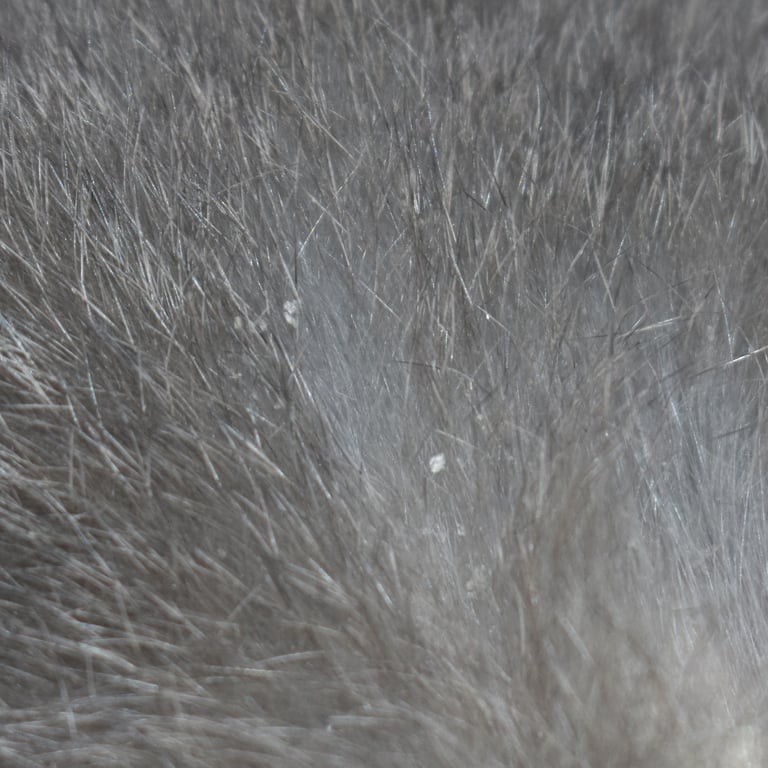
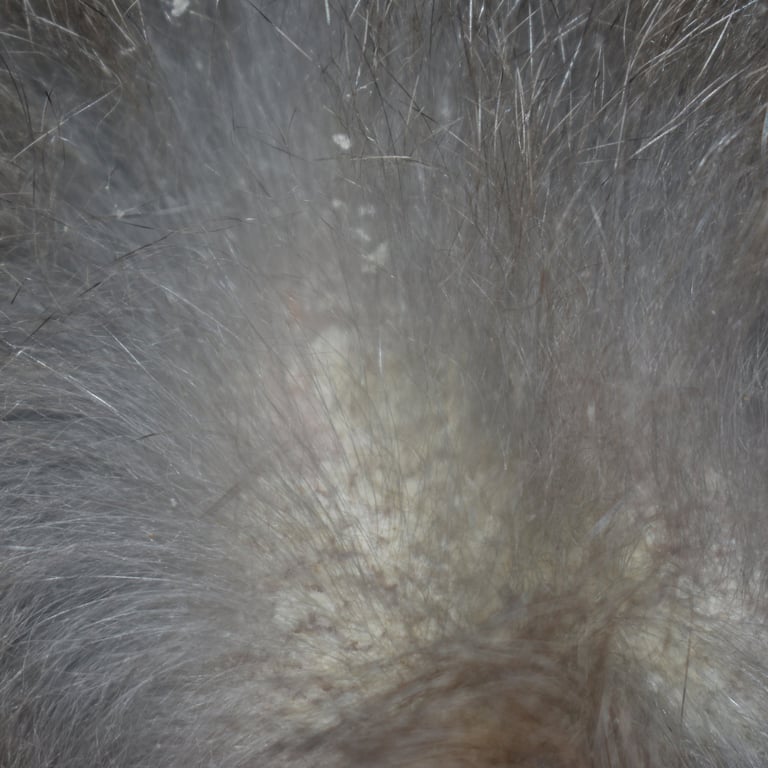
The name “walking dandruff” comes from the way the flakes appear to move as the mites crawl beneath them.
Unfortunately, fur mites are zoonotic, which means they can spread to other animals and even to humans. While they typically cause only temporary irritation in people, they are still something that should be treated promptly.
Signs of Fur Mites
The most common early sign is the appearance of small white flakes along the rabbit’s back, often starting at the base of the neck and gradually moving down the spine.
Other possible symptoms include:
Increased scratching or grooming
Patchy hair loss
Thickened or scaly skin in affected areas
Irritated or inflamed skin in more advanced cases
Some rabbits seem bothered by the mites, while others show very little discomfort until the infestation becomes severe.
How Rabbits Pick Up Fur Mites
Rabbits usually develop fur mites after coming into contact with a contaminated source.
In our most recent experience, two of our rabbits, Gumption and Missy, developed visible flakes about two weeks after their spay and neuter procedures. Because the rabbits were housed near each other, Sweet Tea, Rosie, and Henrietta soon showed signs as well.
Since we had not treated them immediately upon returning from the veterinarian, the mites were unknowingly spread while handling multiple rabbits, using the same photography mat and backdrop, and even through clothing.
Fur mites can spread very easily before anyone realizes there is a problem.
Other possible sources include:
contaminated hay
playing outdoors in grass
contact with other animals
shared equipment or grooming tools
Even well-cared-for indoor rabbits can occasionally develop mites.
How Fur Mites Are Diagnosed
When a rabbit owner first notices flakes or hair loss, the rabbit is often taken to a veterinarian.
The veterinarian may take a skin scraping and examine it under a microscope. If mites or their eggs are visible, the diagnosis is confirmed.
Because we have unfortunately dealt with fur mites several times over the past ten years, we have become familiar with the signs and can begin treatment quickly when we recognize them.
Veterinary Treatment
Veterinarians commonly prescribe Revolution as a topical treatment for rabbit fur mites.
The medication is applied to the skin at the base of the rabbit’s neck and usually repeated two additional times at 10–14 day intervals, following the veterinarian’s instructions.
It is extremely important that medications be prescribed by a veterinarian who understands rabbit care. Rabbits are very sensitive to certain medications.
Never use flea or tick treatments intended for dogs or cats on a rabbit. Some of these products can be fatal to rabbits.
Our Rabbitry Treatment Protocol
Because bringing more than twenty rabbits to the veterinarian at once would be extremely stressful and cost-prohibitive, our veterinarian approved a treatment protocol that is safe for healthy adult rabbits in our care.
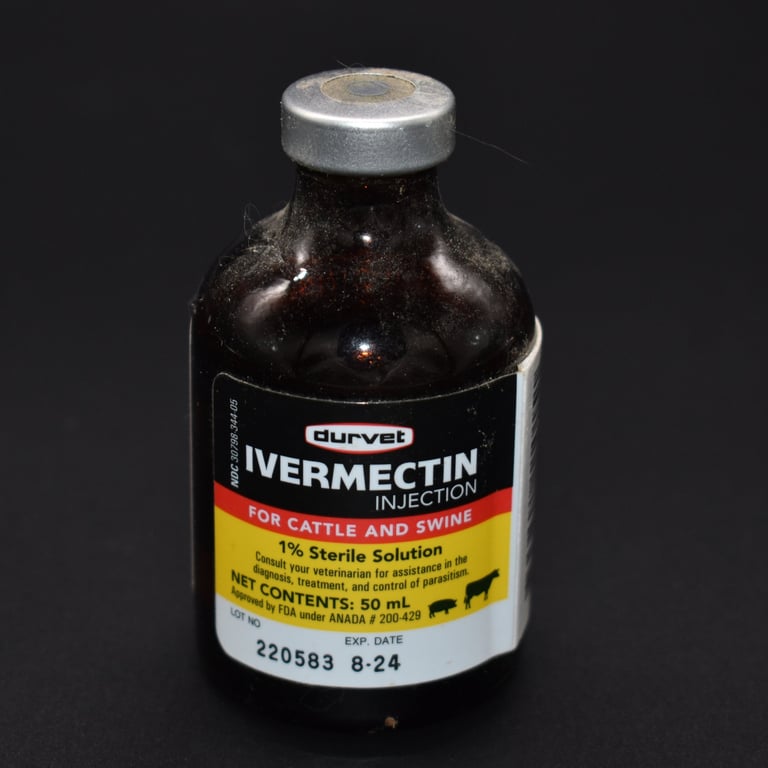
We purchase Ivomec (Ivermectin) from the feed store along with a fine-gauge syringe. The medication is not injected.
Instead, we draw a small amount into the syringe and place five to six drops on the skin at the back of the rabbit’s neck where the rabbit cannot groom it off.
The medication is absorbed through the skin and works to kill the mites.
We treat every rabbit in the herd at the same time.
For young rabbits we use smaller doses:
four weeks old: one drop
six weeks old: two drops
eight weeks old: three drops
The treatment is repeated ten days later, and again ten days after that.
A Second Line of Defense
About four days after the first ivermectin treatment, we add a second step.
We apply a very light dusting of food-grade diatomaceous earth to the rabbit’s back and neck area.
Only a small amount is used, usually no more than one-half to one teaspoon per rabbit. The powder is gently brushed into the fur so it reaches the skin.
Care must be taken to keep the powder away from the rabbit’s eyes and nose, since it can be irritating if inhaled.
My daughter Evelyn usually covers the rabbit’s eyes while I quickly apply and brush in the powder. The process takes only a few seconds.
Cleaning the Environment
Treating the rabbits is only part of the process.
Once treatment begins, every cage, pen, and play area must be kept extremely clean.
Helpful steps include:
washing bedding in hot water
drying fabrics on the highest safe heat setting
cleaning and disinfecting surfaces
steaming surfaces when possible
adding a small amount of diatomaceous earth to areas that cannot be washed
All grooming tools should also be cleaned and disinfected.
Our Fur Mite Prevention Routine
Over the years we have developed a few habits that help reduce the chance of mites spreading through the rabbitry.
Our current protocol includes:
washing hands before and after handling each rabbit
changing clothing when cleaning cages to prevent cross-contamination
quarantining rabbits returning from veterinary visits or outside locations
checking rabbits regularly for signs of mites
cleaning grooming tools between uses
washing bedding thoroughly whenever it is changed
examining breeding pairs carefully before allowing them in the pen together
We also pay close attention when introducing hay from a new supplier. If multiple rabbits suddenly develop mites at the same time, the hay source is one of the first things we investigate.
Recovery
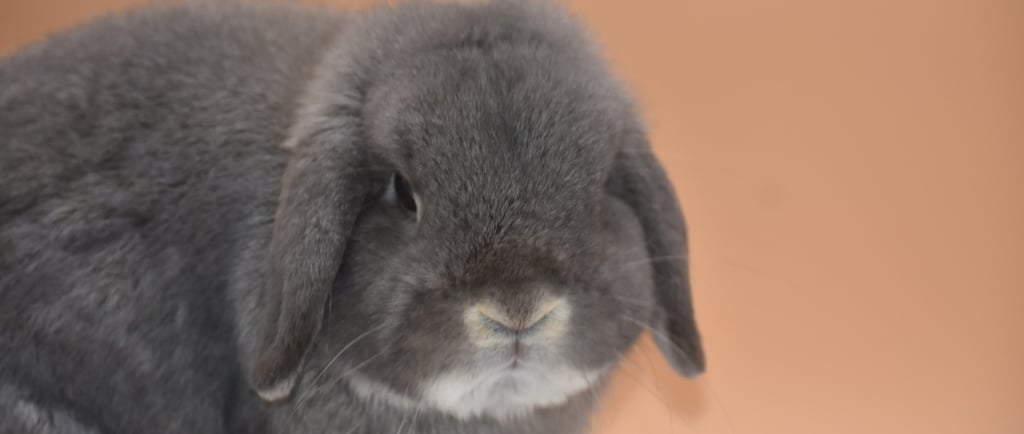
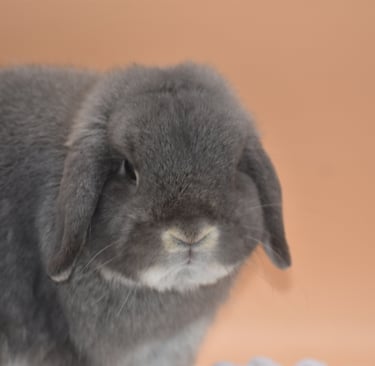
The photographs below show several examples from this experience: a bottle of ivermectin, the flakes that appear as “walking dandruff,” and one of our rabbits, Sweet Tea, when the infestation had become quite severe.
Thankfully, after treatment Sweet Tea made a full recovery, and all of the rabbits are currently healthy and mite-free.
________________________________________________________________________________________________________________
You may also find helpful:
Copyright 2016-present. All rights reserved by Hot Cross Buns Holland Lops. All images and content fall under the sole ownership of Hot Cross Buns Holland Lops.
Hot Cross Buns Holland Lops
Oberlin, Ohio
Indoor companion Holland Lops raised with care since 2016.
Email: hcbhollands@gmail.com