
Road-Tripping with a Rabbit: What to Know Before You Go
Going road-tripping with a rabbit? Learn how to travel safely with a rabbit, including carrier setup, feeding, temperature control, and stress reduction tips.
Amy Jackson & The Hot Cross Buns
6/22/20263 min read
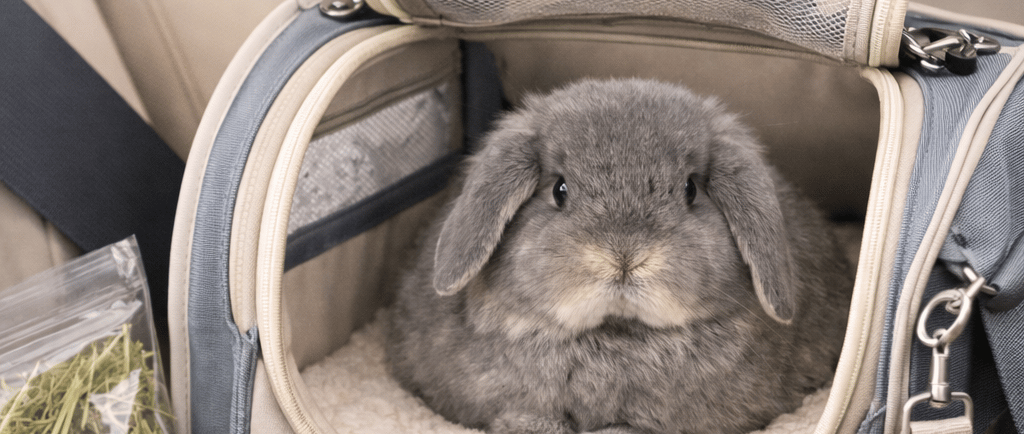

Road-Tripping with a Rabbit: What to Know Before You Go
Rabbits do not all respond to travel in the same way. Some adjust relatively quickly, while others remain cautious in unfamiliar environments. The goal is not to change that response, but to support it in a way that keeps the rabbit safe and as comfortable as possible.
With planning and consistency, travel can become a manageable part of your rabbit’s routine.
Start with realistic expectations
Rabbits are creatures of habit, and travel introduces movement, new sounds, and unfamiliar surroundings. Their response will depend largely on temperament and prior experience.
Some rabbits remain quiet and observant throughout a trip. Others take time to settle and may stay cautious until they return to a familiar space. There are also rabbits who become alert and curious once they feel secure, showing interest in what is happening around them.
We have seen Buns who perk up when the carrier appears, as though they recognize that something different is about to happen. For those rabbits, travel can become a familiar and even positive experience over time.
Many rabbits require an adjustment period, especially in the beginning.
Understanding your rabbit’s individual response allows you to prepare appropriately and support them throughout the trip..
A proper carrier is essential
Your rabbit should always travel in a secure carrier.
A sturdy, well-ventilated carrier limits movement, helps prevent injury, and provides a familiar, contained space during travel. Hard-sided carriers are often the most reliable choice, especially for longer drives or situations where stability matters.
Inside the carrier, use a non-slip surface such as a towel or fleece, and add a small amount of hay. Loose items that can shift during travel should be avoided. The goal is a stable, simple setup that allows your rabbit to remain secure throughout the trip.
If you are still selecting a carrier, choosing one that allows your rabbit to sit comfortably, stretch out fully, adn allow plenty of room to wiggle.
Preparing for the drive
Preparation makes a significant difference in how a rabbit handles travel.
Before leaving:
ensure your rabbit is eating normally
bring extra hay and a small portion of pellets
pack water from home if possible (familiar taste matters)
bring a backup towel or bedding
Keep the car environment as steady as possible:
maintain a comfortable temperature for rabbits (70 degrees F or lower)
avoid loud music or sudden noise
secure the carrier so it does not slide
Consistency and calm handling go a long way.
During the trip
Most rabbits will not eat or drink much while the car is moving. This is normal.
For shorter trips, this is not a concern.
For longer trips:
offer hay and water during stops
keep stops quiet and low-stress
avoid removing your rabbit from the carrier unless necessary
Frequent handling during travel often increases stress rather than reducing it.
For longer road trips
If you are traveling for several hours or more, you may need to plan for basic care along the way.
Some setups include:
a slightly larger carrier
an expandable section for rest stops
a small travel litter setup during extended breaks
These should always be used in safe, controlled environments. Stability during movement remains the priority.
Once you reach your destination, set up a familiar space, like an exercise pen, as quickly as possible so your rabbit can settle.
Signs to watch for
Pay close attention to your rabbit before, during, and after travel.
Watch for:
refusal to eat after arrival
lethargy or unusual posture
signs of discomfort or stress
If your rabbit does not resume normal eating within a reasonable timeframe after travel, veterinary guidance may be needed.
Building positive associations
For rabbits who will travel more frequently, gradual exposure can help.
Short, low-stress trips can:
build familiarity with the carrier
reduce fear of movement
help your rabbit relax more quickly over time
Consistency matters more than frequency.
A final perspective
Road-tripping with a rabbit is not about convenience. It requires preparation, observation, and a willingness to adjust based on how each individual rabbit responds.
Some rabbits will settle into travel routines. Others will simply tolerate the experience. A few may come to enjoy it in their own way.
A thoughtful approach, a stable setup, and attention to your rabbit’s behavior will always matter more than the distance being traveled.
Copyright 2016-present. All rights reserved by Hot Cross Buns Holland Lops. All images and content fall under the sole ownership of Hot Cross Buns Holland Lops.
Hot Cross Buns Holland Lops
Oberlin, Ohio
Indoor companion Holland Lops raised with care since 2016.
Email: hcbhollands@gmail.com