
Recommended Bunny Care Supplies
Practical supplies for preparing a safe,
comfortable indoor rabbit setup.
Preparing for Your New Bun
Bringing a rabbit home is exciting, but the number of products and opinions can quickly become overwhelming.
This page gathers the core supplies we use and recommend at Hot Cross Buns, along with simple guidance to help families make thoughtful, practical choices.
You do not need every possible rabbit product before bringing a rabbit home. Start with the basics: safe indoor housing, unlimited hay, fresh water, appropriate food, a litter area, a carrier, grooming tools, and a rabbit-savvy veterinarian.
I do not receive compensation for these recommendations. These are simply products and supply types we use, trust, or have found helpful.
Pelleted Food
We recommend choosing a high-quality timothy hay-based pellet and reading ingredients carefully. Rabbit pellets should not contain colorful pieces, seeds, corn, added sugars, or treat-style extras.
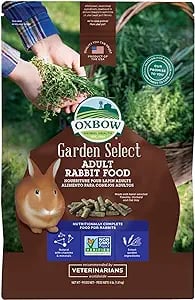
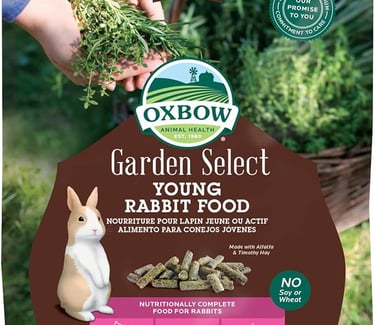
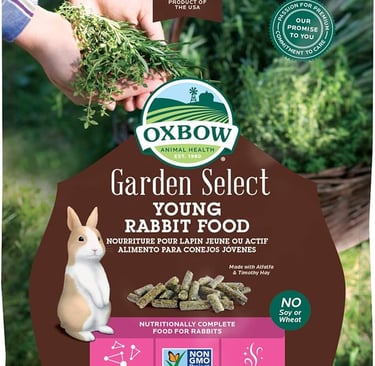
For many rabbits, we like Oxbow Garden Select. There is a young rabbit formula and an adult rabbit formula. Young rabbits can transition gradually to an adult formula as they approach maturity.
Your Hot Cross Buns rabbit will go home with a small supply of the food he or she is currently eating so any transition can be made gradually.
Fresh, High-Quality Hay
Rabbits need unlimited access to fresh grass hay every day. Timothy hay and orchard grass hay are both good options for adult rabbits.
Hay should smell fresh and clean, never musty or moldy. Store hay in a cool, dry place with good airflow.
If good local hay is available, buying by the bale is often the most affordable option. If you need to order hay, we have had good experiences with Farmer Dave Pet Supply and Small Pet Select.
Water & Food Dishes
Rabbits should always have access to fresh water.
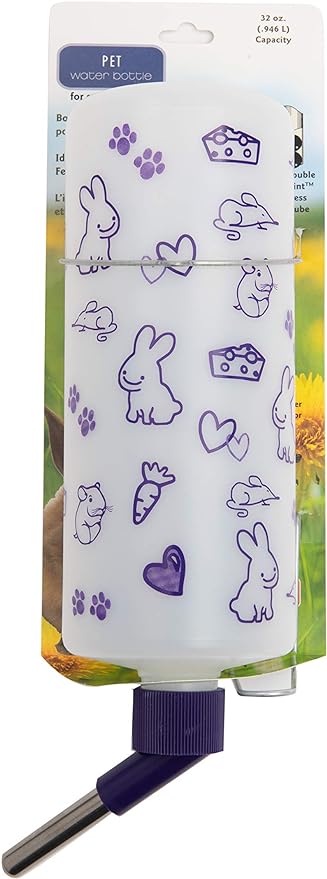
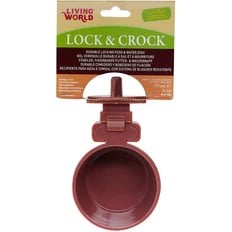
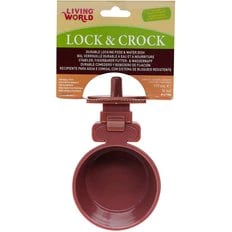
We prefer sturdy crock bowls for water because drinking from a bowl is natural and easy for most rabbits. A water bottle can be useful as a backup, especially for rabbits who are very active or prone to tipping bowls.
Heavy crock bowls also work well for pellets. Locking bowls can be helpful for rabbits who like to toss or move their dishes.


Indoor Setup
A Safe Place of Their Own
Every rabbit needs a safe indoor space for eating, resting, litter habits, and settling into a new home.
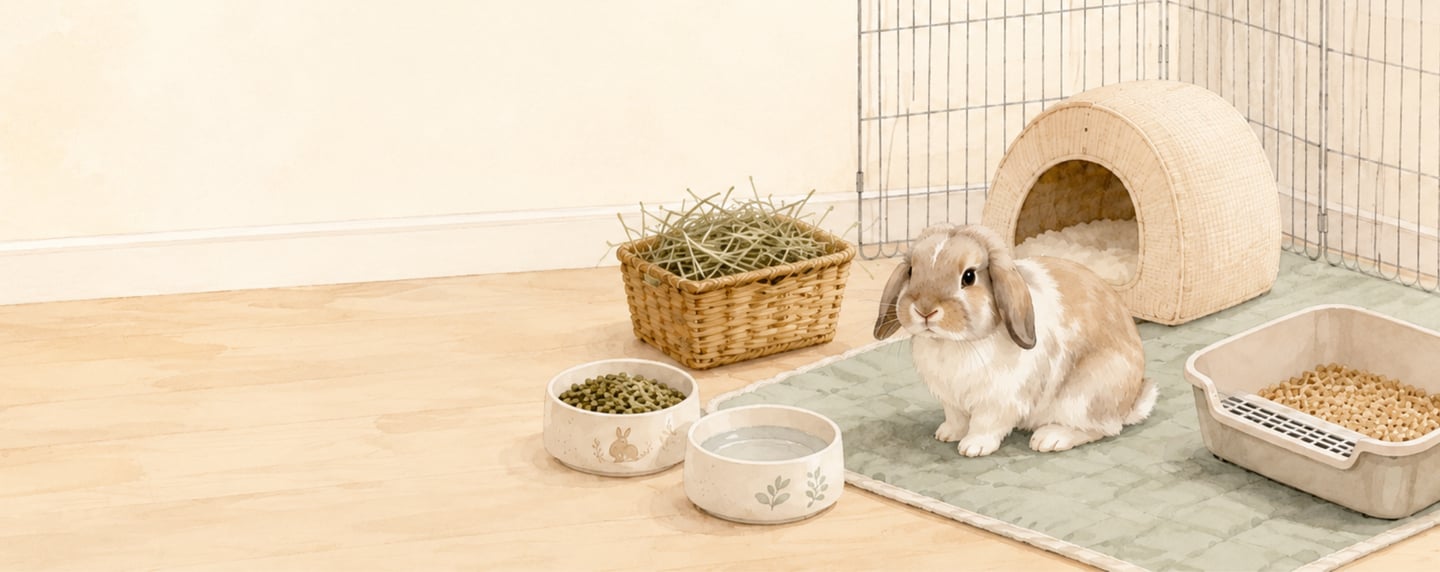
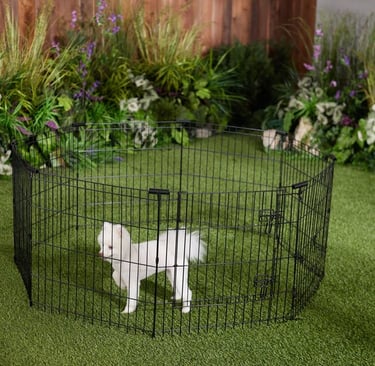
For most families, an exercise pen setup works better than a small cage. A good basic setup includes:
exercise pen
washable rug, mat, or pee pads underneath
litter box
hay area
food and water dishes
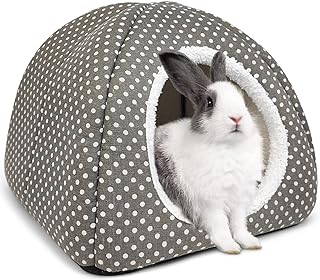
hideout
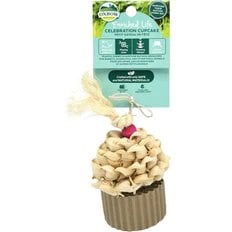
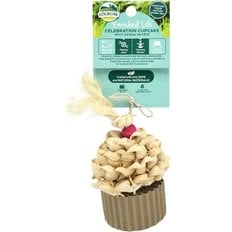
safe toys or chews
A cage may be used as part of a larger setup and act as a home base for keeping food, water, and a litter box , but rabbits need room to move, stretch, explore, and interact.



Litter Training Supplies
Most rabbits need a little time to settle into litter habits in a new home.
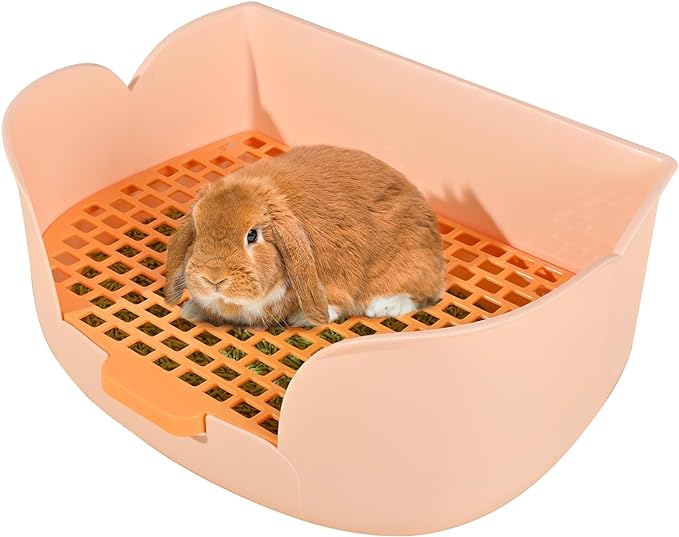
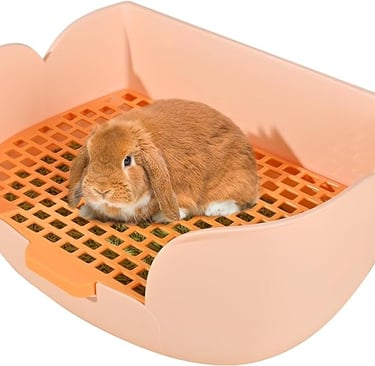
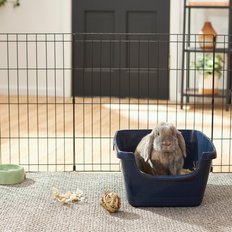
We like roomy litter boxes that are easy to clean. Some rabbits do well with a grate-style litter box, while others prefer a larger open litter box with hay nearby.
For litter or liners, families can use:
washable fleece or towel liners
pelleted wood bedding
pelleted paper bedding
We do not recommend fluffy paper bedding as a first choice because it can be expensive, messy, and less absorbent than many people expect.
Carrier
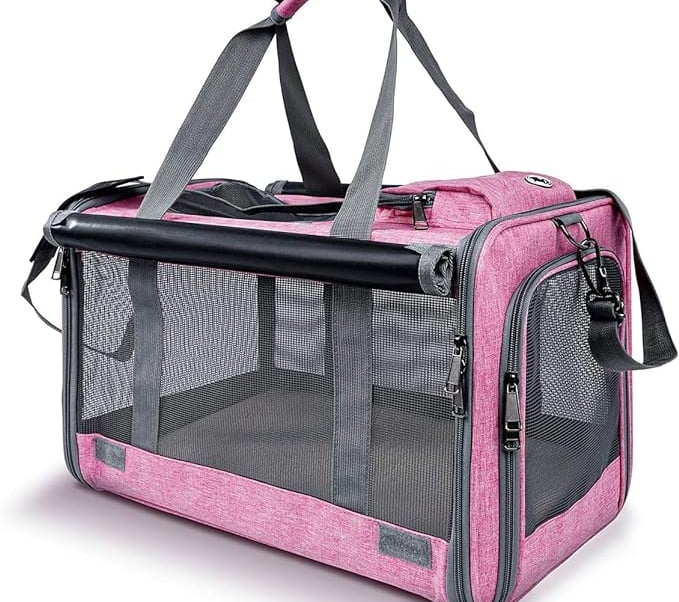
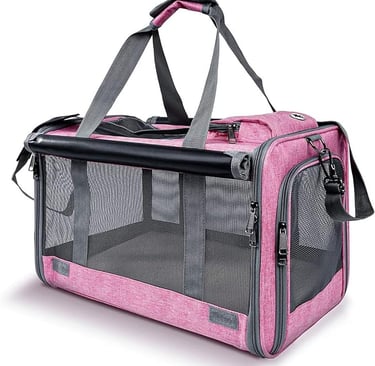
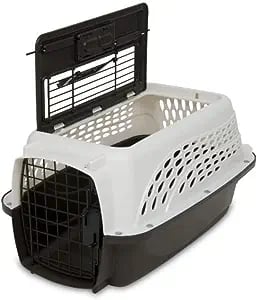
A safe carrier is needed for bringing your rabbit home and for veterinary visits.
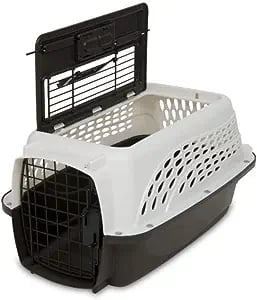
We prefer hard-sided carriers with both a front door and top opening. Soft-sided carriers can work for some rabbits, but rabbits who chew or dig may damage fabric carriers quickly.
Choose a carrier large enough for your rabbit to sit comfortably, turn around, and rest securely.
Health Supplies
Important Health Note:
The most important health supply is not something you buy online.
It is the name and contact information for a rabbit-savvy veterinarian, along with emergency veterinary options.
Rabbits can decline quickly when something is wrong. If your rabbit stops eating, stops pooping, seems to be in pain, acts unusually quiet, or is not behaving normally, contact a rabbit-savvy veterinarian promptly.
Helpful supplies to keep on hand may include:
infant simethicone drops
syringe or dropper
recovery-feeding support recommended by your veterinarian
digestive support products
probiotic support when appropriate
These supplies may be helpful in some situations, but they are not a substitute for veterinary care.








Grooming Supplies
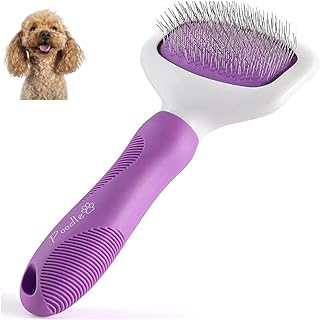
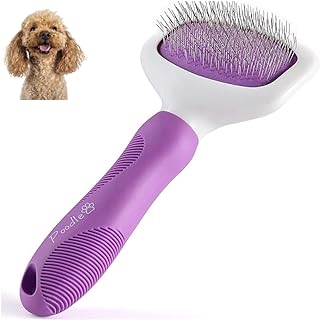
Rabbits need regular grooming to help them stay comfortable and healthy.
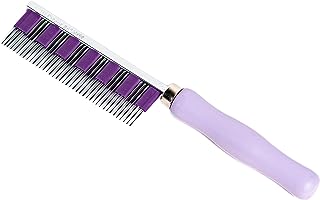
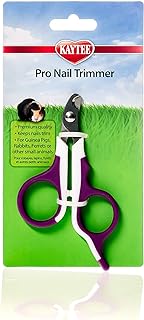
Useful grooming supplies include:
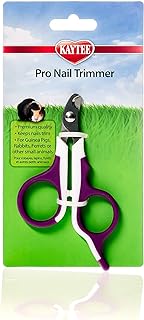
small cat/kitten nail clippers
soft slicker brush
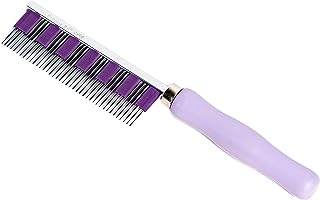
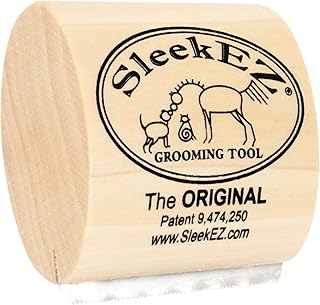
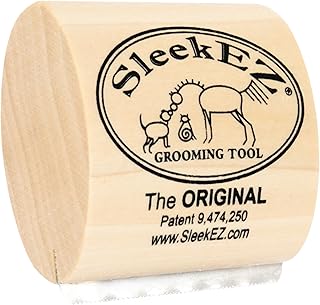
comb or grooming tool for loose fur
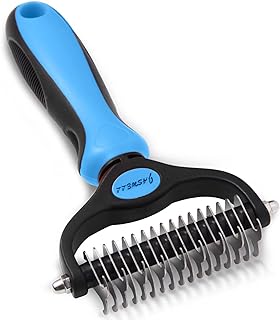
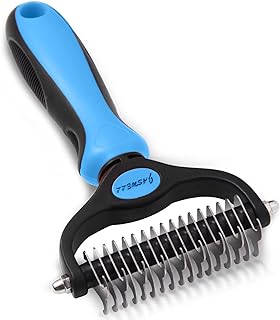
undercoat rake for thick coats, if needed
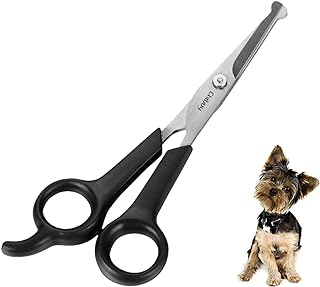
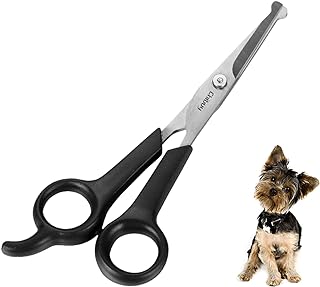
safety grooming scissors
Most rabbits need regular nail trims and extra brushing during molts. Thick-coated rabbits may need more help removing loose fur.
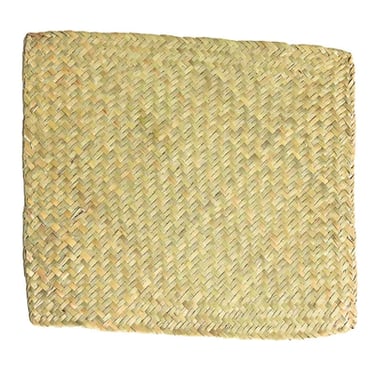
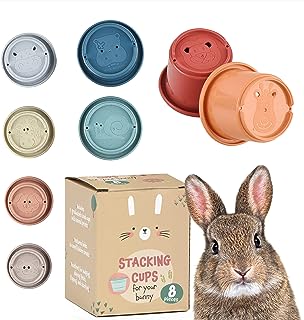
Toys, Enrichment & Hideouts
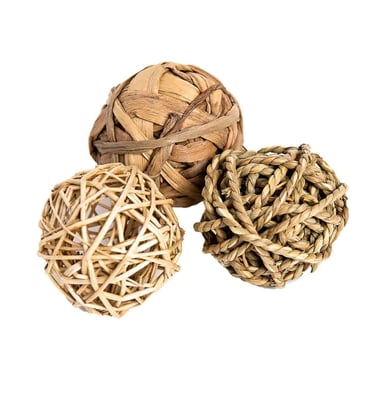
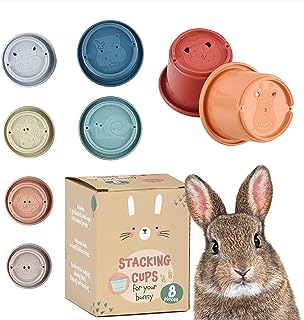
Rabbit toys do not need to be expensive.
Many rabbits enjoy:
cardboard boxes
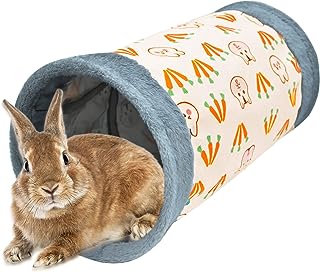
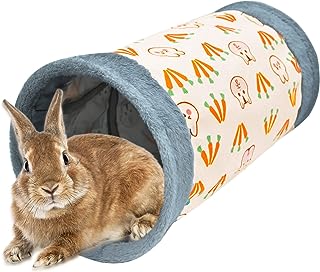
tunnels
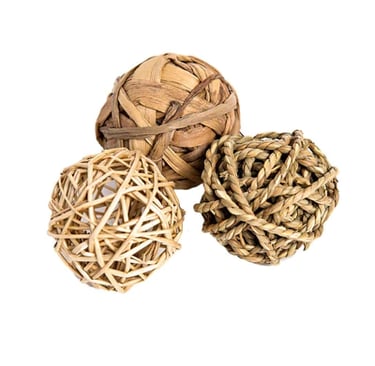
willow balls
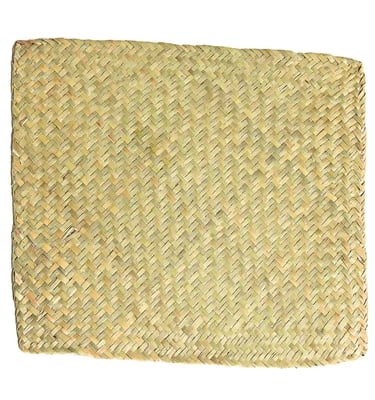
seagrass mats
untreated apple or willow twigs
hay-stuffed toilet paper tubes
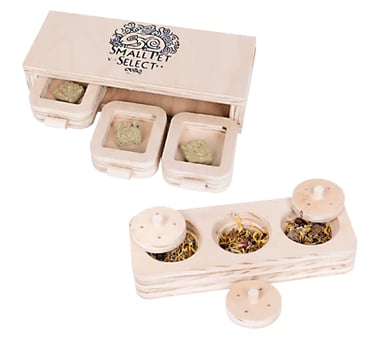
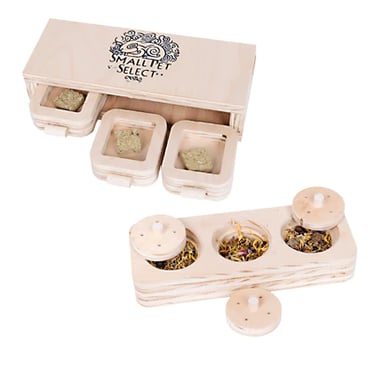
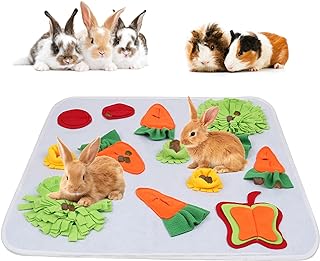
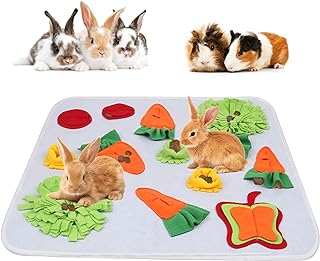
foraging mats
simple hideouts
Rabbits need safe things to chew, places to hide, and activities that encourage natural behavior.
A rabbit’s favorite enrichment is often time, attention, and interaction with the people they trust.
A Final Note
You do not need to buy everything at once, nor do you need to purchase these exact items, especially the toys and grooming supplies. Those categories are merely suggestions of types of things to look for.
Start with a safe indoor setup, unlimited hay, fresh water, appropriate food, a litter area, a carrier, basic grooming supplies, and a plan for veterinary care.
As you get to know your rabbit, you can add toys, hideouts, enrichment items, and other supplies that fit your rabbit’s personality and your home.
Copyright 2016-present. All rights reserved by Hot Cross Buns Holland Lops. All images and content fall under the sole ownership of Hot Cross Buns Holland Lops.
Hot Cross Buns Holland Lops
Oberlin, Ohio
Indoor companion Holland Lops raised with care since 2016.
Email: hcbhollands@gmail.com