
Rabbit Watery Eyes: Causes, Treatment, and When to Worry
Rabbit watery eyes can be caused by dental issues, blocked tear ducts, dust, or injury. Learn what it means and when to seek veterinary care. Early treatment by a rabbit knowledgeable veterinarian is important.
Amy Jackson & The Hot Cross Buns
5/7/20263 min read
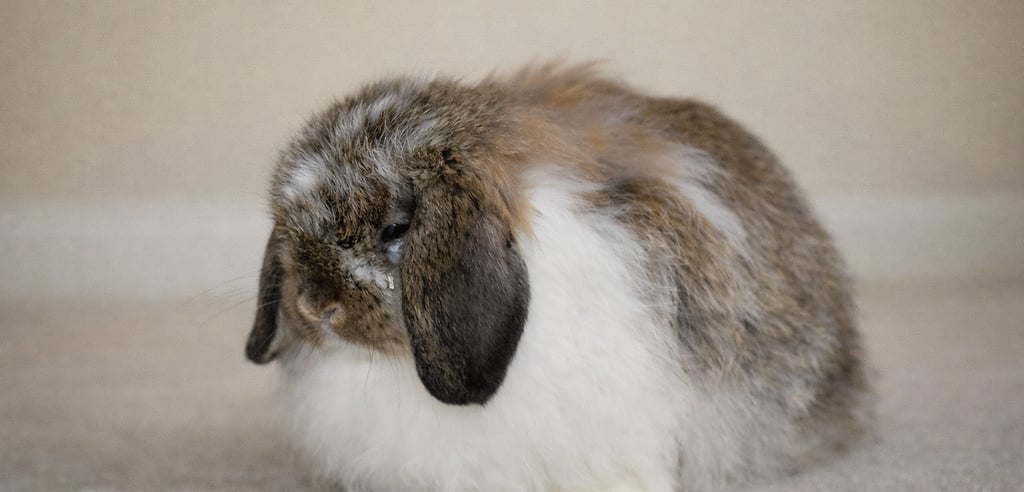
Why Are My Rabbit’s Eyes Watery?
When a Small Change Catches Your Attention
A rabbit’s eyes are usually clear, bright, and dry. Because of that, even a small amount of moisture can stand out.
You may notice a slight dampness beneath the eye, a bit of crust forming, or fur that looks consistently wet. At first, it can seem minor. Over time, it becomes something you cannot ignore.
Watery eyes are not a condition on their own. They are a signal that something is affecting the eye or the structures around it.
The Role of Tear Ducts and Drainage
A rabbit’s eyes are closely connected to their tear ducts, which help drain moisture away from the surface of the eye.
When everything is functioning normally, tears are produced and cleared without being noticeable. When that drainage is disrupted, tears begin to overflow instead of draining properly.
Blocked tear ducts are a relatively common issue in rabbits. This can happen due to inflammation, debris, or pressure from dental changes beneath the surface. When the duct is not draining properly, the eye continues to produce tears that have nowhere to go.
Treatment often involves a veterinarian flushing the tear duct to clear the blockage and restore normal drainage. In some cases, this may need to be repeated if the underlying cause persists.
Dental Issues and Malocclusion
One of the most common underlying causes of watery eyes in rabbits is dental misalignment, known as malocclusion.
Rabbit teeth grow continuously. When they do not wear down properly, the roots can begin to elongate. As this happens, they can press against or interfere with the tear ducts.
From the outside, this may look like a simple watery eye. In reality, it can be connected to deeper dental changes that require attention.
A rabbit with dental involvement may also show subtle signs such as slower eating, favoring softer foods, or dropping food while chewing.
Irritation from Dust, Hay, or Molting
Not all watery eyes are caused by internal issues. External irritation is another common cause.
Fine dust from hay or bedding can irritate the eye, especially if a rabbit burrows or spends time close to loose material. During molting, loose fur can also find its way into the eye, causing temporary tearing.
In these situations, gently flushing the eye with plain, unmedicated saline drops can help remove dust or debris and provide relief. The solution should be simple saline only, without added medications.
Reducing dust, shaking out hay before offering it, and gently removing loose fur during heavy sheds can also help minimize irritation.
Environmental Sensitivities
Some rabbits are more sensitive to their environment than others.
Strong scents such as cleaning products, air fresheners, candles, or perfumes can irritate the eyes. Poor air quality, lack of ventilation, or buildup of ammonia from an unclean litter area can also contribute.
These types of irritants often affect both eyes and may be accompanied by mild redness or increased blinking.
A rabbit’s environment should feel clean and neutral, without strong or lingering scents.
When Injury or Infection Is a Concern
Watery eyes can also result from minor injury.
Rabbits can accidentally be poked by hay, stiff strands of bedding, or other objects in their environment. Even a small scratch on the surface of the eye can lead to tearing and discomfort.
In these cases, the eye may appear more irritated, and the rabbit may squint or keep the eye partially closed. A veterinarian should assess the eye to determine whether there is a scratch or tear in the cornea.
If an injury is present, medicated eye drops are often needed to protect the surface of the eye and support proper healing.
When to Look More Closely
Watery eyes that persist, worsen, or are accompanied by other changes deserve closer attention.
Thick discharge, redness, swelling, squinting, or fur loss around the eye can indicate infection or a more serious underlying issue. Because dental problems are such a common hidden cause, recurring watery eyes should always be evaluated with that possibility in mind.
When Veterinary Care Is Needed
Ongoing or unexplained watery eyes should not be left to resolve on their own.
A rabbit-savvy veterinarian can assess the eye, evaluate tear duct function, and check for underlying dental issues that may not be visible externally. Early treatment helps prevent more complex problems from developing.
Addressing the cause, rather than only the symptom, is what leads to lasting improvement.
Understanding What the Eye Is Telling You
A watery eye may seem like a small issue, but it often reflects something more meaningful.
When you look beyond the surface and consider both environment and health, the cause becomes clearer. Responding early allows your rabbit to remain comfortable and prevents a minor issue from becoming something more significant.
Copyright 2016-present. All rights reserved by Hot Cross Buns Holland Lops. All images and content fall under the sole ownership of Hot Cross Buns Holland Lops.
Hot Cross Buns Holland Lops
Oberlin, Ohio
Indoor companion Holland Lops raised with care since 2016.
Email: hcbhollands@gmail.com