
Preparing Children to Respect a Rabbit
Learn how to teach children to interact safely and respectfully with rabbits. Tips for helping kids build a gentle and trusting bond with their bunny. Preparing children to respect a rabbit and not chase, grab, or pick it up will help your new pet feel safer, sooner.
Amy Jackson & The Hot Cross Buns
3/31/20263 min read
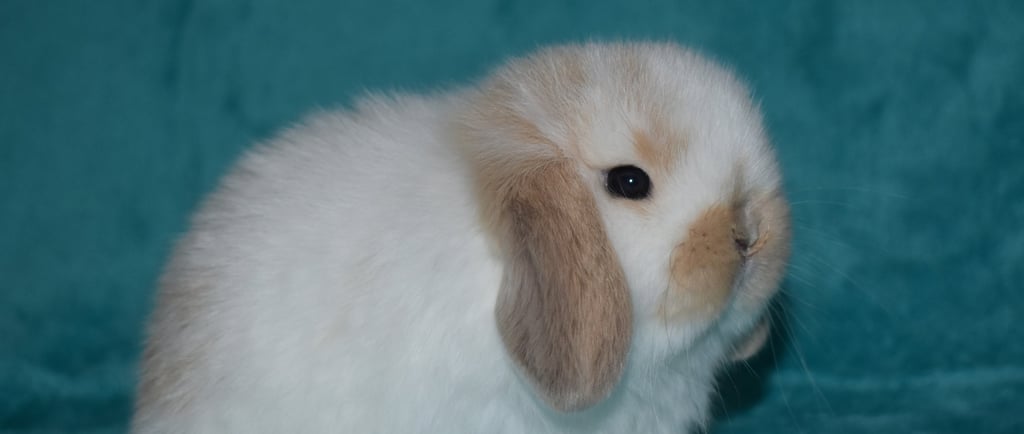

Preparing Children to Respect a Rabbit
Helping Young Rabbit Owners Build a Safe and Loving Relationship
Bringing a rabbit into a home with children can be a wonderful experience. Rabbits can teach kids compassion, patience, responsibility, and respect for animals. But rabbits are not stuffed animals, and they are not pets that enjoy rough handling or constant attention.
If you’re still deciding whether a rabbit is the right pet for your family, you may also find our article “Are Rabbits Good Pets for Children? An Honest Guide for Families” helpful.
Before bringing a rabbit home, it is important to help children understand what rabbits need in order to feel safe and happy.
Preparing children ahead of time helps protect both the rabbit and the child, and it lays the foundation for a gentle, respectful friendship that can last for many years.
Rabbits Are Prey Animals
One of the most important things for children to understand is that rabbits are prey animals.
In the wild, rabbits survive by staying alert to danger. Their instincts tell them that anything bigger than they are might be a predator. Sudden movements, loud noises, or being grabbed unexpectedly can be very frightening for them.
Young children often love animals and want to hug them, chase them, or scoop them up. While these behaviors are normal for children, they can be terrifying for a rabbit.
Teaching children to move slowly, speak softly, and give the rabbit space helps the rabbit feel safe.
Rabbits Should Not Be Picked Up by Children
Most rabbits do not enjoy being picked up, even when they trust their owners. Being lifted off the ground removes their ability to escape if they feel threatened.
For this reason, children should not be responsible for picking up rabbits.
A frightened rabbit can kick suddenly and powerfully with its back legs, which may lead to scratches or even injuries if the rabbit struggles to escape.
Instead, children can learn to interact with rabbits safely by sitting quietly on the floor and allowing the rabbit to approach them.
Let the Rabbit Come to You
One of the best ways for children to bond with a rabbit is simply to sit quietly and let the rabbit investigate.
Rabbits are naturally curious animals. When they feel safe, they often approach people on their own terms to sniff, nudge, or explore.
Encourage children to:
• sit quietly on the floor
• hold their hands still
• speak softly
• allow the rabbit to approach first
When children learn to be calm and patient, the rabbit will begin to feel comfortable around them.
Gentle Petting Only
When the rabbit begins to trust the child, gentle petting can begin.
Show children how to pet the rabbit slowly and softly, usually on the top of the head or along the back.
Children should avoid touching:
• the rabbit’s face
• feet
• tail area
• belly
If the rabbit moves away, it is important to teach children that the rabbit is saying, “I need a break.”
Respecting those signals builds trust.
Teach Children Rabbit Body Language
Rabbits communicate clearly once you know what to look for.
Helping children recognize rabbit signals can prevent misunderstandings.
Signs a rabbit feels comfortable:
• relaxed body posture
• stretching out or flopping
• gentle nose nudges
• playful binkies and zoomies
Signs a rabbit feels scared or stressed:
• thumping back feet
• hiding or freezing
• flattened ears
• trying to run away
Children who learn to recognize these signals quickly become much better rabbit companions.
Children Can Still Help Care for Rabbits
Even though adults should handle certain responsibilities, children can still play an important role in caring for their rabbit.
Age-appropriate tasks may include:
• refilling hay
• helping refresh water bowls
• offering safe herbs as treats
• brushing the rabbit gently (with supervision)
• sitting quietly during playtime
These small tasks help children feel involved while still protecting the rabbit’s safety.
Teaching Respect Creates Wonderful Bonds
When children learn to approach rabbits with patience and kindness, something special often happens.
The rabbit begins to trust them.
Instead of being chased or grabbed, the rabbit feels safe enough to come forward on its own terms. Many rabbits eventually seek out their favorite people for attention, nose boops, and gentle affection.
With guidance and patience, children can develop a beautiful and respectful relationship with their rabbit, and in the process, they learn an important life lesson: animals deserve kindness, understanding, and respect.
________________________________________________________________________________________________________________
You may also find helpful:
Copyright 2016-present. All rights reserved by Hot Cross Buns Holland Lops. All images and content fall under the sole ownership of Hot Cross Buns Holland Lops.
Hot Cross Buns Holland Lops
Oberlin, Ohio
Indoor companion Holland Lops raised with care since 2016.
Email: hcbhollands@gmail.com