
Do Rabbits Get Worms? What to Know About Deworming
Do rabbits get worms or need deworming? Learn when worms are a concern, how parasites differ from E. cuniculi, and why routine deworming is usually unnecessary.
Amy Jackson & The Hot Cross Buns
7/2/20263 min read
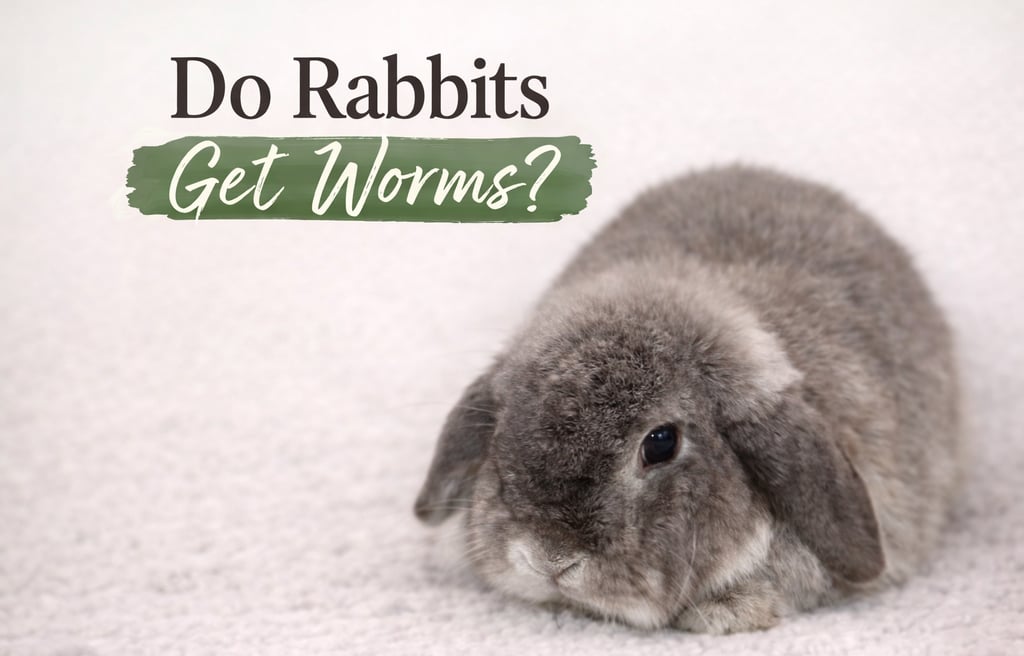
Do Rabbits Get Worms?
Questions about worms come up regularly, especially for new rabbit owners.
Many people assume that all animals need routine deworming. That may be true for some species, but rabbits are different.
Understanding when worms are a concern—and when they are not—helps prevent unnecessary treatment and keeps the focus where it belongs: thoughtful, informed care.
Do rabbits commonly get worms?
In well-cared-for, indoor house rabbits, intestinal worms are not common.
Most companion rabbits live in controlled environments, eat clean hay and pellets, and are not exposed to the conditions that typically lead to parasitic infections.
That doesn't mean it never happens. Rabbits can pick up parasites through contaminated food, exposure to other animals, or outdoor environments. The overall risk, however, remains low for indoor rabbits.
Types of parasites seen in rabbits
When parasites do occur, they are usually limited to a few types.
These may include:
pinworms
tapeworms (less common)
coccidia (a protozoal parasite, more common in young rabbits)
Each behaves differently and requires specific treatment. This is one reason why guessing or treating without a diagnosis is not recommended.
Signs that may indicate a problem
Many rabbits with mild parasite loads show no obvious signs.
When symptoms do appear, they may include:
weight loss or poor condition
changes in appetite
soft stool or diarrhea
visible worms in stool (uncommon, but possible)
general decline without a clear cause
These signs are not specific to parasites. They can be associated with a wide range of conditions, which is why proper evaluation by a rabbit-knowledgeable veterinarian matters.
If you notice ongoing changes like these, it is best to approach them the same way you would any other health concern and seek guidance rather than trying to treat at home.
Should rabbits be routinely dewormed?
In most cases, no.
Routine, preventative deworming is not standard practice for rabbits. Unlike some other animals, rabbits do not benefit from regular treatment without a confirmed need.
Unnecessary deworming can disrupt normal gut balance and expose the rabbit to medications they do not need. It can also delay proper diagnosis if symptoms are being caused by something else.
Treatment should be based on evidence, not assumption.
When treatment is appropriate
Deworming is appropriate when a parasite has been identified or strongly suspected based on veterinary evaluation.
A rabbit-savvy veterinarian may recommend:
a fecal test to confirm the presence of parasites
targeted medication specific to the parasite involved
This approach ensures that treatment is both effective and appropriate.
Rabbits, worms, and Encephalitozoon cuniculi
One of the most common areas of confusion is the difference between intestinal worms and E. cuniculi.
E. cuniculi is not an intestinal worm. It is a microscopic parasite that affects the nervous system, kidneys, and sometimes the eyes. It is not something you will see in the stool.
Routine deworming does not prevent E. cuniculi.
At the same time, medications often referred to as dewormers, such as fenbendazole, are commonly used as part of treatment when E. cuniculi is actively causing symptoms. This can be confusing, but the treatment is targeting a very different type of parasite.
If you are unfamiliar with how E. cuniculi presents or how it is managed, we have a detailed post that walks through symptoms, treatment considerations, and long-term outlook.
Understanding this distinction helps prevent confusion and ensures that rabbits receive appropriate care when symptoms arise.
Outdoor rabbits and increased risk
Rabbits with outdoor access have a higher likelihood of exposure.
This can include:
grazing on contaminated grass
contact with wild animals or their droppings
environmental exposure to parasite eggs
Even in these cases, routine deworming is not always necessary. Monitoring and veterinary guidance remain the most reliable approach.
A practical approach
For most rabbit owners, the best approach is straightforward:
maintain a clean living environment
provide high-quality hay and fresh food
monitor eating habits and litter box output
respond promptly to changes
Consistent observation is far more useful than routine medication.
A final thought
Worms are not a common concern for most indoor rabbits, and they are not something that needs to be treated on a routine basis.
When they do occur, they can be addressed effectively with proper diagnosis and targeted care.
The goal is not to treat every possible risk. It is to recognize when something is wrong and respond appropriately.
Copyright 2016-present. All rights reserved by Hot Cross Buns Holland Lops. All images and content fall under the sole ownership of Hot Cross Buns Holland Lops.
Hot Cross Buns Holland Lops
Oberlin, Ohio
Indoor companion Holland Lops raised with care since 2016.
Email: hcbhollands@gmail.com