Can Baby Rabbits Have Treats? Why It's Best to Wait
Can baby rabbits have treats? Learn why young rabbits should avoid fruits and vegetables until six months of age and how to protect your bunny’s delicate digestive system.
Amy Jackson & The Hot Cross Buns
2/19/20243 min read
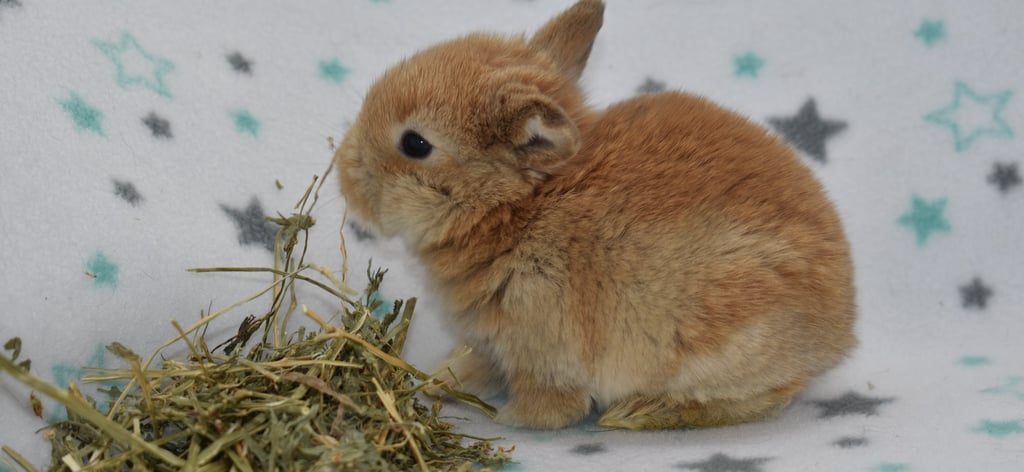
Treats: Why It’s Best to Wait Before Feeding To Your Baby Bunny
Wait! Put down that carrot!
Before you feed your young bunny any treats, it’s important to understand how easily treats can upset a developing rabbit’s digestive system.
Many new rabbit owners assume fruits and vegetables are harmless treats for baby bunnies. Unfortunately, introducing treats too early can cause serious digestive problems for young rabbits whose systems are still developing.
Waiting just a few months can make all the difference for your bunny’s long-term health.
Why Can’t Baby Rabbits Have Treats?
A rabbit’s digestive system is extremely delicate and must remain in careful balance.
Too many treats, too little hay, poor-quality food, dehydration, excessive ingested fur, or parasites can all disrupt this balance and lead to serious health problems such as gastrointestinal stasis or chronic digestive upset.
Young rabbits are especially vulnerable because their digestive systems are still developing the beneficial bacteria needed to properly process food.
These healthy gut bacteria help rabbits:
• digest food efficiently
• absorb nutrients
• maintain a stable digestive system
If fruits or vegetables are introduced before this system is fully established, the result is often digestive upset, diarrhea, and a very sick bunny.
Parasites and Young Rabbits
Another concern with feeding fresh produce to young rabbits is the potential introduction of parasites.
Fruits and vegetables can sometimes carry organisms such as coccidia, which can cause a parasitic infection called coccidiosis.
Coccidia parasites absorb nutrients from the food your rabbit eats, leaving very little nourishment for the rabbit itself. An infected bunny may become thin, weak, and lethargic.
Even when treated early, the effects can linger. Some rabbits may experience stunted growth or develop dull, brittle coats.
Waiting until your rabbit is older and stronger greatly reduces these risks.
But Wild Rabbits Eat Fruits and Plants…
This is a common question.
Wild rabbits do eat a wide variety of plants, but wild rabbits also tend to carry parasites and typically live much shorter lives.
Our goal with pet rabbits is to give them a long, healthy life, which means protecting their digestive system while it develops.
What About Packaged Pet Store Treats?
Packaged treats from pet stores are not much better for young rabbits.
Many of these products contain ingredients that rabbits should not be eating at all, including:
• added sugars
• seeds
• nuts
• oils
• artificial dyes and preservatives
These ingredients can upset the delicate balance of bacteria in a young rabbit’s gut just as easily as fruits and vegetables can. We have another blog post to help you learn more about packaged treats.
For baby rabbits, the safest treat is often no treat at all.
When Can Rabbits Start Eating Treats?
Rabbits under six months of age are considered juniors.
Rabbits six months and older can begin receiving very small amounts of bunny-safe treats.
And when we say small, we truly mean small — about one teaspoon or less, no more than once or twice a week.
When introducing treats:
• introduce only one new food at a time
• wait two to three weeks before trying something new
• watch carefully for signs of digestive upset
Signs of trouble include:
• soft or watery droppings
• loss of appetite
• lethargy or behavior changes
If any of these appear, stop feeding that treat and allow your rabbit’s digestive system time to settle.
Is There Any Treat Baby Rabbits Can Have?
Yes — one simple and safe option exists.
Raw old-fashioned rolled oats.
(Not the quick-cook or instant varieties.)
We prefer organic rolled oats and offer them in extremely small amounts.
When our baby rabbits are very young, we may hand-feed a few tiny flakes. As they grow and begin eating from a bowl, we sometimes sprinkle a small pinch over their pellets.
Just a pinch.
Too many oats can lead to weight gain, and overweight rabbits are not healthy rabbits.
A little truly goes a long way.
A Hot Cross Buns Oat Story
Plain oats may not sound very exciting, but our rabbits absolutely love them.
When our doe Plum Bun was pregnant, our youngest daughter left the container of oats sitting on the floor while she was tidying Plummy’s cage.
Plummy saw her opportunity.
She jumped out of her cage and lunged straight for the oats, inhaling as many as she possibly could before her oat-eating ecstasy came to a sudden end.
Our daughter can screech the paint off the walls when she needs to, and poor Plummy was quickly removed from the scene of the crime.
In her defense, she was carrying quite a litter — and probably felt she deserved a few extra oats for all the babies she was growing!
The Bottom Line
Young rabbits need time for their digestive systems to develop properly.
Waiting until six months of age before introducing treats gives your bunny the best chance at a healthy digestive system and a long life.
In the meantime, the best diet for a growing rabbit is simple:
• unlimited high-quality hay
• fresh water
• a measured portion of quality pellets
• and lots of love.
The treats can come later.
Copyright 2016-present. All rights reserved by Hot Cross Buns Holland Lops. All images and content fall under the sole ownership of Hot Cross Buns Holland Lops.
Hot Cross Buns Holland Lops
Oberlin, Ohio
Indoor companion Holland Lops raised with care since 2016.
Email: hcbhollands@gmail.com