
What Is Bladder Sludge in Rabbits?
What is bladder sludge in rabbits? Learn what bladder sludge is, why it develops, how to recognize it, what causes calcium buildup, and how to manage or prevent it safely.
Amy Jackson & The Hot Cross Buns
7/9/20263 min read
What Is Bladder Sludge in Rabbits?
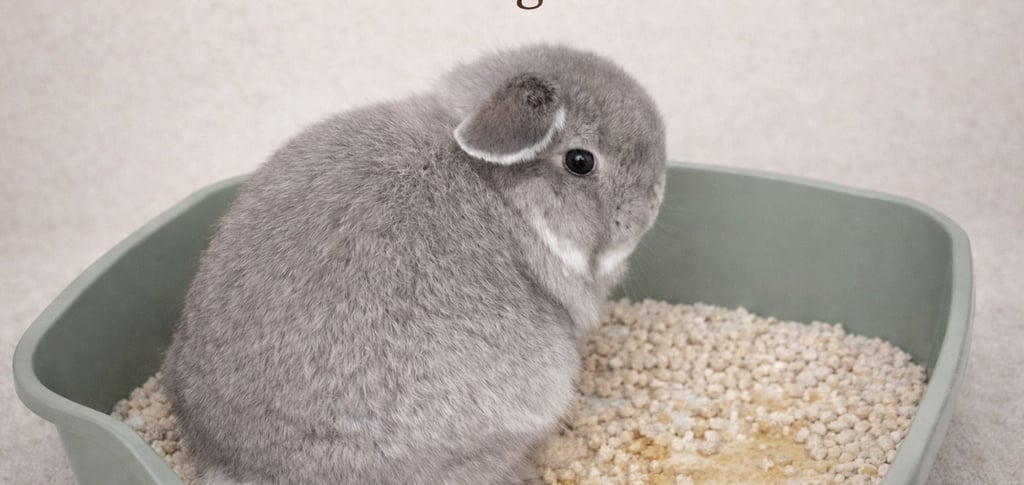
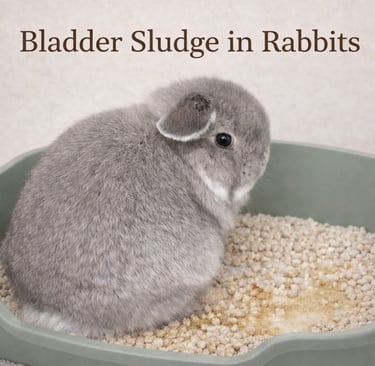
Bladder sludge is a buildup of excess calcium in a rabbit’s bladder that forms a thick, pasty material instead of normal urine.
Rabbit urine naturally contains calcium. Unlike many other animals, rabbits excrete excess calcium through their urine rather than regulating it internally. Because of this, some cloudiness or chalky residue is normal.
Sludge is different. It is heavier, thicker, and can begin to interfere with normal bladder function.
What sludge looks like
Normal rabbit urine can vary in color and may dry with a chalky residue.
Sludge is typically:
thick and creamy or paste-like
opaque rather than lightly cloudy
sometimes gritty
occasionally seen as heavier residue after urination
In some cases, it may not be obvious at all and is only recognized through changes in behavior.
Normal urine vs. sludge
Rabbit urine can vary quite a bit, which is why sludge is often confusing at first.
Here is a practical way to tell the difference:
Normal urine:
ranges in color (pale yellow to orange or darker tones)
may appear slightly cloudy
dries with a light, chalky residue
passes easily without straining
rabbit shows no signs of discomfort
Possible sludge:
thick, creamy, or paste-like consistency
fully opaque rather than lightly cloudy
may appear gritty or leave heavier residue
rabbit strains or takes longer to urinate
smaller amounts passed more frequently
signs of discomfort or urine scald
The most important difference is not just how it looks, but how the rabbit is behaving while urinating.
A rabbit that is comfortable, eating normally, and urinating without effort is less likely to be dealing with a serious issue, even if some residue is present.
A rabbit that is straining, uncomfortable, or changing habits should be evaluated.
If you are unsure what you are seeing, our post on Rabbit Urine: What’s Normal and When to Worry goes into more detail on normal variations and warning signs.
Signs to watch for
Sludge does not always cause immediate problems, but when it begins to build up, rabbits may show changes.
Watch for:
straining to urinate
smaller or more frequent urine output
thick or abnormal urine
urine scald or dampness around the hind end
reduced appetite or signs of discomfort
These changes should not be ignored.
Why sludge develops
Sludge forms when calcium builds up faster than it is flushed out.
Common contributing factors include:
low water intake
limited movement or exercise
diets high in calcium
excessive pellet feeding (especially alfalfa-based)
underlying bladder or kidney issues
Often, more than one factor is involved.
High-calcium foods to be mindful of
Calcium itself is not the problem. Rabbits need it. The issue comes when higher-calcium foods are fed too frequently, in large amounts, or without enough hydration and variety.
Some commonly fed foods that are higher in calcium include:
kale
parsley
dandelion greens
collard greens
mustard greens
beet greens
turnip greens
spinach
Swiss chard
escarole
endive
Pellets can also contribute, especially if:
they are fed in larger amounts
they are alfalfa-based
they are not measured consistently
These foods are not “bad,” but they are not meant to make up the majority of a rabbit’s daily greens.
Lower-calcium greens, fruits, and vegetables for dietary rotation
A better approach is to introduce a variety of lower-calcium greens and rotate them regularly when giving them sparingly as treats.
Good options include:
romaine lettuce
cilantro
radicchio
cucumber (no more than twice a week)
bell peppers (flesh only, no seeds or leaves)
pumpkin (twice a week)
carrot tops (in moderation)
bok choy (no more than 4 times a week)
arugula (no more than 3 times a week)
wheatgrass
raspberry leaves (safe for daily consumption)
blackberry leaves (safe for daily consumption - berries are high in sugar)
plantain (broadleaf or narrowleaf)
Using a mix of these helps support normal calcium balance while still providing variety.
What to do if you suspect sludge
Do not try to manage this without guidance.
What to do instead:
contact a rabbit-savvy veterinarian
expect evaluation, which may include imaging or urine assessment
follow treatment recommendations carefully
Mild cases may improve with hydration and diet adjustments. More advanced cases may require bladder flushing or additional medical care.
Prevention and management
Many cases can be improved or prevented with consistent care.
Focus on:
encouraging water intake
feeding a hay-based diet
rotating appropriate greens
keeping pellets measured
providing space for regular movement
Small, consistent habits have a significant impact over time.
A final thought
Not all cloudy urine is a problem, and not all calcium residue is sludge.
The difference is in consistency, behavior, and change over time.
Copyright 2016-present. All rights reserved by Hot Cross Buns Holland Lops. All images and content fall under the sole ownership of Hot Cross Buns Holland Lops.
Hot Cross Buns Holland Lops
Oberlin, Ohio
Indoor companion Holland Lops raised with care since 2016.
Email: hcbhollands@gmail.com