
Why Pet Rabbits Should Live Indoors With Their Families
Learn why pet rabbits should live indoors, with their families for reasons including safety, health benefits, and how indoor living supports better care and early detection of problems.
Amy Jackson & The Hot Cross Buns
7/14/20262 min read
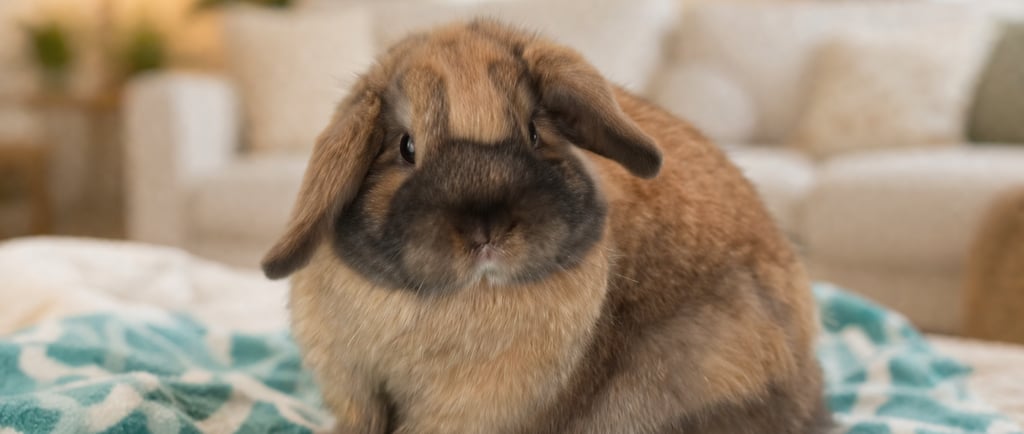
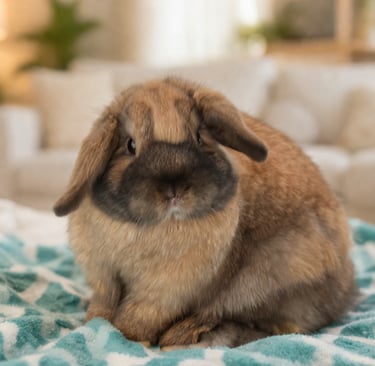
Why Rabbits Should Live Indoors
Keeping a rabbit indoors is not about preference or convenience. It's about providing an environment that supports his health, safety, and overall well-being.
Rabbits can survive outdoors. That is not the same as thriving.
An indoor environment allows for consistency, observation, and daily interaction in ways that outdoor housing cannot provide.
If you are unfamiliar with what indoor rabbit care actually looks like day to day, our post on what an indoor companion house rabbit is outlines how rabbits live as part of the home.
Safety and protection
Outdoor rabbits are exposed to risks that cannot be fully controlled.
These include:
predators, even in secure enclosures
extreme temperatures in both summer and winter
parasites such as fleas, ticks, and flies
environmental stressors such as noise and sudden disturbances
Even well-built hutches and enclosed runs do not remove these risks completely.
Indoors, those variables are significantly reduced.
Temperature stability
Rabbits do not tolerate extreme heat well, and cold weather presents its own challenges.
Indoor living provides:
stable temperatures
protection from humidity and heat stress
reduced risk of sudden environmental changes
This consistency supports both comfort and long-term health.
Early detection of health issues
Rabbits are very good at hiding discomfort.
When a rabbit lives indoors, small changes are easier to notice:
shifts in appetite
changes in litter box habits
differences in posture or behavior
These early signs often make the difference between a manageable issue and a serious one.
Outdoor rabbits are more likely to have subtle changes go unnoticed.
Cleanliness and hygiene
Indoor environments are easier to maintain consistently.
This includes:
regular litter box cleaning
dry, controlled living conditions
reduced exposure to insects and contaminants
Clean conditions help prevent issues such as urine scald, flystrike, and parasite exposure.
Social interaction and mental well-being
Rabbits are not meant to live in isolation.
Indoor rabbits:
experience daily human presence
become familiar with routines
develop trust over time
Even quieter rabbits benefit from being part of a home environment.
Outdoor housing often limits interaction to short periods of care rather than ongoing presence.
Movement and space
Rabbits need room to move.
Indoor setups allow for:
safe exercise space
opportunities to explore
more natural movement throughout the day
Confinement to small outdoor enclosures can limit activity and contribute to both physical and behavioral issues.
A practical perspective
Indoor housing is not about making a rabbit part of the home in a decorative way.
It is about:
reducing risk
improving observation
supporting daily care
allowing the rabbit to live in a stable environment
These are practical considerations that directly affect outcomes.
A final thought
Rabbits depend on their environment to stay safe, comfortable, and healthy.
An indoor home provides consistency, protection, and the ability to respond quickly when something changes.
That is why indoor living is not simply an option. It is the standard that best supports their well-being.
Copyright 2016-present. All rights reserved by Hot Cross Buns Holland Lops. All images and content fall under the sole ownership of Hot Cross Buns Holland Lops.
Hot Cross Buns Holland Lops
Oberlin, Ohio
Indoor companion Holland Lops raised with care since 2016.
Email: hcbhollands@gmail.com