
Urinary Tract Infections in Rabbits: Signs, Causes, and What to Do
Learn the signs of urinary tract infections in rabbits, how they differ from sludge and bladder stones, and what to do if your rabbit shows urinary changes.
Amy Jackson & The Hot Cross Buns
7/16/20263 min read
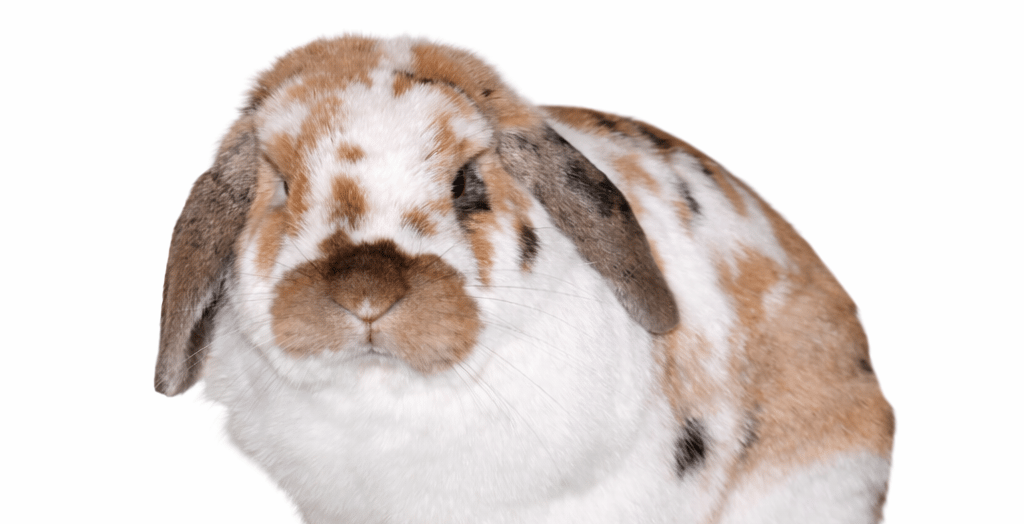

Urinary Tract Infections in Rabbits: Signs, Causes, and What to Do
Urinary tract infections (UTIs) can occur in rabbits, but they are often misunderstood.
Not every change in urine or litter box habits is an infection. At the same time, true infections need to be taken seriously and treated appropriately.
Understanding what to watch for helps prevent both overreaction and delayed care.
What is a UTI in a rabbit?
A urinary tract infection is a bacterial infection affecting the bladder or urinary system.
Unlike normal calcium residue or bladder sludge, a UTI involves inflammation and infection, not just mineral buildup.
Because rabbits naturally have cloudy or chalky urine, it can be difficult to recognize when something is truly abnormal.
Signs to watch for
UTIs tend to cause noticeable changes in behavior and urination.
Watch for:
straining to urinate
frequent attempts to urinate with little output
thick or discolored urine
strong or unusual odor
urine scald or dampness around the hind end
reduced appetite or signs of discomfort
Some rabbits may also appear restless or unsettled.
These signs should not be ignored.
UTI vs. sludge vs. bladder stones
Urinary issues in rabbits are often grouped together, but they are not the same.
UTI involves a bacterial infection and requires appropriate medication
Bladder sludge involves calcium buildup and is managed through hydration, diet, and sometimes veterinary care
Bladder stones are solid mineral formations that may require more advanced treatment
The signs can overlap, but the underlying cause is different.
This is why identifying the correct issue matters. The treatment is dependent upon proper diagnosis.
How UTIs are diagnosed
A urinary tract infection cannot be confirmed based on appearance alone.
Rabbit urine naturally contains calcium and can vary in color and consistency, so testing is needed to determine whether bacteria are present.
Diagnosis typically involves:
collecting a urine sample
evaluating it for bacteria and inflammation
sometimes imaging, such as x-rays, to check for sludge or stones
Proper diagnosis is important. Treating based on assumption can delay appropriate care.
What causes UTIs in rabbits?
UTIs often develop when bacteria are able to grow within the urinary tract.
Contributing factors may include:
incomplete bladder emptying
dehydration
underlying sludge or bladder irritation
reduced movement or activity
prolonged dampness around the hind end
Sometimes, more than one factor is involved.
What to do if you suspect a UTI
Do not try to treat this at home.
What to do instead:
contact a rabbit-savvy veterinarian
expect diagnostic testing
follow prescribed treatment carefully
UTIs typically require rabbit-safe antibiotics selected based on the situation.
Completing the full course of treatment matters, even if your rabbit appears to improve early.
Supportive care, including hydration and comfort, is often part of the recovery process.
What this is not
Not every urinary change is an infection.
Cloudy urine, chalky residue, and variations in color are often normal in rabbits.
At the same time, persistent straining, discomfort, or changes in appetite should not be dismissed.
The goal is not to assume infection—but not to overlook it either.
Prevention and supportive care
While not all UTIs can be prevented, good daily care reduces risk.
Focus on:
encouraging consistent water intake
feeding a hay-based diet
keeping litter areas clean and dry
maintaining a healthy weight and activity level
monitoring urine and litter habits regularly
Addressing early changes helps prevent more serious issues.
When to act quickly
Urinary issues can become serious if left untreated.
Seek prompt care if you notice:
repeated straining
very little urine output
signs of pain or discomfort
reduced appetite alongside urinary changes
If something feels off, it is worth checking.
A practical perspective
Not every change in urine means infection.
At the same time, true infections do not resolve on their own.
The goal is to recognize patterns:
changes in behavior
changes in urination
signs of discomfort
These are the indicators that matter most.
A final thought
Urinary tract infections in rabbits are manageable when recognized and treated early.
Clear observation, appropriate veterinary care, and consistent daily habits all play a role in keeping rabbits healthy.
Copyright 2016-present. All rights reserved by Hot Cross Buns Holland Lops. All images and content fall under the sole ownership of Hot Cross Buns Holland Lops.
Hot Cross Buns Holland Lops
Oberlin, Ohio
Indoor companion Holland Lops raised with care since 2016.
Email: hcbhollands@gmail.com