
Bladder Infections in Rabbits: Signs, Causes, and Treatment
Learn the signs of bladder infections in rabbits, how they differ from sludge and stones, and what to do if your rabbit shows urinary changes. Diagnosis by a rabbit-savvy veterinarian is imperative.
Amy Jackson & The Hot Cross Buns
7/20/20263 min read
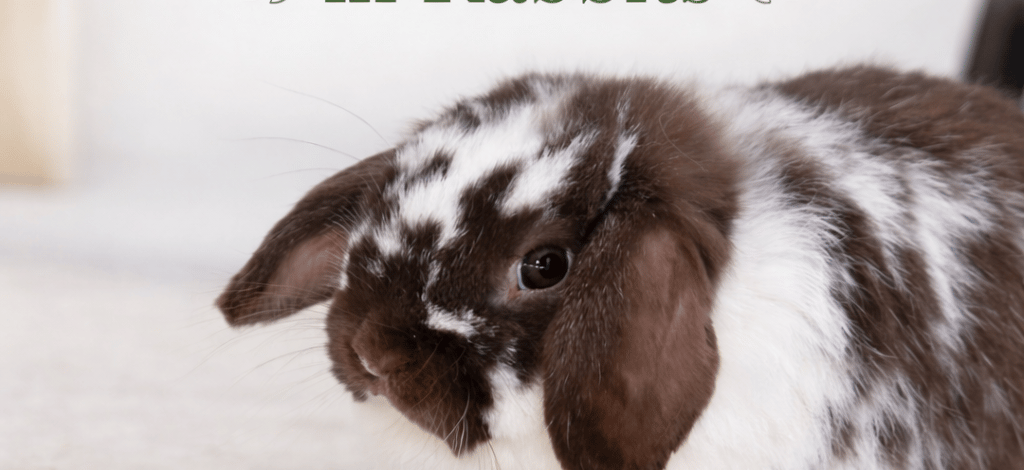

Bladder Infections in Rabbits: What They Are and How to Handle Them
Bladder infections in rabbits are a specific type of urinary tract infection that affect the bladder itself.
They are less common than issues like calcium buildup or bladder sludge, but when they occur, they require prompt and appropriate treatment. The challenge is that many urinary problems in rabbits look similar at first glance.
Getting it right matters.
What a bladder infection actually is
A bladder infection is a bacterial infection within the bladder.
It involves:
bacteria present in the urine
inflammation of the bladder lining
irritation that affects normal urination
This is different from:
bladder sludge, which is calcium buildup
bladder stones, which are solid mineral formations
Those conditions can exist without infection. A bladder infection cannot be confirmed without testing.
What you will see at home
Bladder infections tend to show up in how a rabbit urinates and behaves around the litter box.
Common signs include:
frequent trips to the litter box with small amounts of urine
straining or taking longer to urinate
thicker or abnormal-looking urine
stronger or unusual odor
dampness around the hind end
urine scald if it progresses
Behavior often changes as well:
reduced appetite
restlessness or discomfort
reluctance to move or settle
These changes are usually gradual at first, then become more noticeable.
Temperature and urinary issues
Fever is not a reliable early sign of urinary problems in rabbits.
A true bladder infection can cause an elevated temperature, but many rabbits with infections do not show obvious changes that can be detected at home. Sludge and bladder stones do not cause fever unless infection is also present.
Changes in appetite, behavior, and urination are far more useful indicators and should be taken seriously.
What bladder infections do not look like
This is where people get tripped up.
A bladder infection does not usually present as:
normal cloudy urine alone
dry chalky residue in the litter box
occasional color changes
Those are often normal for rabbits.
The difference is:
effort, frequency, and behavior.
If the rabbit is working harder to urinate or acting uncomfortable, that is not normal.
Why bladder infections happen
Bacteria need the right conditions to grow.
Bladder infections are more likely when:
urine sits in the bladder too long
the bladder is not fully emptied
the urinary tract is already irritated
Common contributing factors:
dehydration
limited movement
underlying sludge
excess weight
damp or unclean living conditions
Most cases are not caused by a single issue, but by a combination.
How a diagnosis is made
You cannot confirm a bladder infection by looking.
Diagnosis requires:
a urine sample
evaluation for bacteria and inflammation
How that sample is collected matters. A contaminated sample can give misleading results, so veterinarians may collect it directly rather than relying on a litter box sample.
In some cases, imaging is also used to check for sludge or stones that may be contributing.
Treatment: what actually works
Bladder infections require targeted treatment.
This typically includes:
rabbit-safe antibiotics selected appropriately
completing the full course of medication
addressing underlying factors such as hydration, diet, and activity
In some cases:
pain management may be needed
additional support for bladder function may be recommended
Stopping treatment early or using incorrect medications can lead to recurrence or worsening infection.
What not to do
Do not:
guess and treat without a diagnosis
use leftover medications from other pets
assume all urinary issues are infections
delay care while trying to adjust diet
Bladder infections do not resolve on their own.
Prevention: what actually makes a difference
Prevention is not complicated, but it is consistent.
Focus on:
steady water intake
a hay-based diet
measured pellet feeding
regular movement and space to exercise
clean, dry litter areas
These support normal bladder function and reduce the conditions bacteria need to grow.
When to act quickly
Do not wait if you see:
repeated straining
very small or infrequent urine output
clear discomfort during urination
reduced appetite along with urinary changes
These situations can escalate.
A practical perspective
Bladder infections are one piece of a larger group of urinary issues in rabbits.
They are not the most common cause of urinary changes, but they are one of the most important to identify correctly.
The key is not reacting to every change, but recognizing patterns:
effort
frequency
behavior
These tell you more than appearance alone.
A final thought
Bladder infections are manageable when identified and treated properly.
Clear observation, accurate diagnosis, and appropriate care are what lead to good outcomes.
Copyright 2016-present. All rights reserved by Hot Cross Buns Holland Lops. All images and content fall under the sole ownership of Hot Cross Buns Holland Lops.
Hot Cross Buns Holland Lops
Oberlin, Ohio
Indoor companion Holland Lops raised with care since 2016.
Email: hcbhollands@gmail.com