
What To Do In The First Two Hours When Your Rabbit Stops Eating
If your rabbit suddenly stops eating, it can feel unsettling. This guide walks through what to look for in the first two hours, how hay supports digestive movement, and when it is time to call the vet.
HEALTH CARE
Amy Jackson & the Hot Cross Buns
3/16/20262 min read
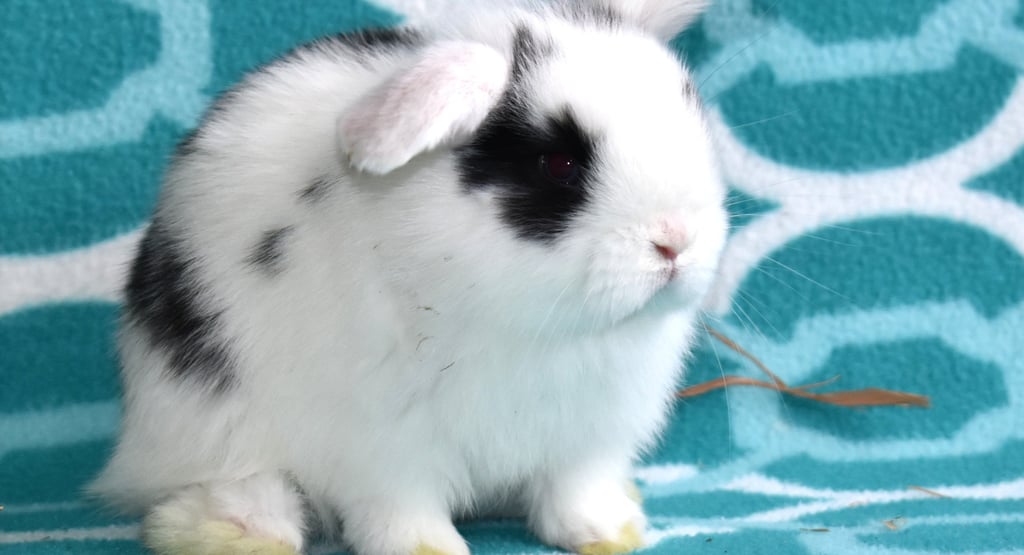
When a rabbit refuses food, usually at a normal feeding time, the clock starts quietly.
Not loudly.
Not dramatically.
Quietly.
Rabbits rarely collapse without warning. Most digestive slowdowns begin subtly: a slightly smaller appetite, fewer long strands of hay eaten, droppings that are just a bit smaller than usual.
The first two hours matter. Calm observation matters even more.
First, Confirm the Refusal
Before assuming the worst, pause and look carefully.
• Is hay truly untouched?
• Are pellets ignored?
• Are favorite greens refused?
• Are fresh droppings still present?
• Is posture slightly hunched?
Sometimes a rabbit skips pellets but is still eating hay. That is good information. Some rabbits instinctively focus on hay consumption when their digestion feels a bit off.
Sometimes droppings are smaller but still present. This may indicate reduced hay or water intake.
If hay is still being eaten and droppings are still appearing but something still feels "off", you may be looking at very early digestive slowdown.
Remove Pellets, Offer Hay and Water Only
In very early slowdowns, when droppings are still present and the abdomen feels soft, I immediately remove pellets and offer unlimited hay and fresh water only.
Why?
Because hay provides the kind of fiber that stimulates healthy intestinal movement. Pellets are processed and dense. They are not harmful, but in early slowdown, they do not provide the same mechanical stimulation that long strands of hay do.
The goal is simple: encourage movement.
Watch for Improvement
Over the next couple of hours, look for visible change.
• Is hay intake increasing?
• Are droppings becoming larger?
• Is posture relaxing?
• Is activity returning?
If progress is clearly visible, that is encouraging.
When droppings return to normal size and quantity, pellets can be gradually reintroduced over the course of a few days.
However, if hay is refused, droppings decrease further, posture worsens, or improvement is not clearly progressing, veterinary care should not be delayed.
Early intervention is easier than late intervention.
What This Approach Is Not
This is not treatment for advanced GI Stasis.
This approach applies only when:
• Droppings are still present
• The abdomen is soft
• The rabbit is alert
• No severe pain signs are present
If droppings stop completely, the abdomen becomes firm or distended, or lethargy increases, escalation to veterinary care is necessary.
You can read more about emergency signs in Rabbit Not Pooping and Signs of GI Stasis.
Why Acting Early Matters
Rabbits rely on constant gastrointestinal movement. When hay intake decreases, droppings often shrink first.
That is your early warning.
The sooner normal hay consumption resumes, the less likely the cycle is to progress.
In my experience, the rabbits who recover most smoothly are the ones whose owners noticed the change quickly and responded calmly.
A Calm, Structured Plan Reduces Panic
Digestive slowdowns are stressful, and stress often leads to hesitation.
Having a simple framework makes it easier to act confidently.
Inside When Your Rabbit Is Sick, I walk through:
• Early digestive slowdown
• The two hour observation window
• Clear escalation thresholds
• When veterinary care should not be delayed
It is designed to bring clarity, not alarm.
You can find it in the HCB Shoppe on this site.
Acting early is rarely wrong.