
Spay & Neuter: What 10 Years Has Taught Me
Spay and neuter surgery is routine — but not risk-free. In this post, I reflect on ten years of experience, the lessons learned through both smooth recoveries and rare complications, and why responsible care still leads us to recommend altering companion rabbits.
Amy J.
2/20/20262 min read
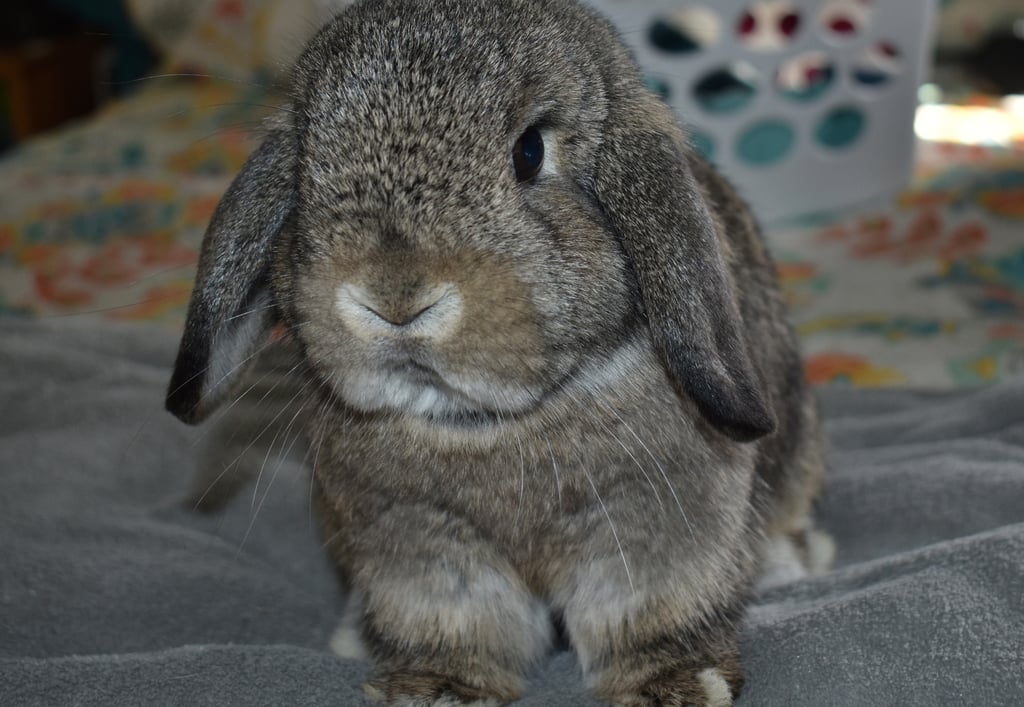

Spay & Neuter: What Ten Years Have Taught Me
Over the past decade, I have carried many rabbits to and from spay and neuter appointments.
Most of those days have ended quietly. A rabbit comes home sleepy, settles into fresh bedding, nibbles hay by evening, and within a few days life resumes its normal rhythm. That steady pattern has been the overwhelming experience — and it is why we continue to recommend spay and neuter for companion rabbits.
But ten years of responsible care has also taught me how fragile life can be.
There was Zacchaeus. He made it through his neuter, but during recovery it was suspected that he threw a clot. His loss was sudden and deeply sobering. It was one of the first times I understood that even routine procedures still contain an element o the unknown — there are no guarantees.
There was Mango. At 2.5 years old, what was meant to be a routine spay revealed significant tumor growth already present. We chose to let her go peacefully that day. Mango changed how we do things. From that point forward, retired does were no longer placed without being altered first.
There was Isla. She quietly passed under anesthesia. No warning signs. No dramatic explanation. Just the kind of phone call that settles heavily and stays with you.
And very recently, there was Scuba. She came home from her spay and initially appeared to recover well. Several days later, her family notified us that she suddenly declined and died. Her loss reminded me that the recovery period deserves as much attention and respect as the surgery itself.
These stories span more than ten years. They are not the norm. The vast majority of surgeries we have walked through have been smooth and successful. All outcomes are part of our history, and part of responsible care means acknowledging the whole picture — not only the easy parts.
Spay and neuter surgery is considered routine when performed by experienced rabbit veterinarians. We strongly recommend it — especially for does, who face a significant risk of uterine cancer if left intact. Hormonal stress and accidental litters are real concerns.
Surgery carries risk.
Remaining intact carries risk.
There is no path that offers zero risk. There is only the responsibility to weigh those risks honestly and choose the one that best protects long-term health.
Over time, these experiences have not made us step away from spay and neuter. They have made us more intentional. We ask questions. We ensure proper pain management. We monitor recovery closely. We choose experienced veterinary care.
Ten years has taught me this: responsible care does not pretend nothing can go wrong. It acknowledges the risk, seeks knowledgeable veterinary guidance, and chooses what best protects long-term health.
We walk into these decisions with open eyes and steady trust — doing what we believe is right for the rabbit in front of us.