
Rabbit Evacuation Plan: What Every Owner Should Pack
Prepare for unexpected emergencies with a simple rabbit evacuation plan. Learn what supplies every rabbit owner should pack to keep their bunny safe, comfortable, and properly cared for during an evacuation.
Amy Jackson & The Hot Cross Buns
8/27/20253 min read
Emergency Evacuation With Your Rabbit
Earlier this week I was reminded how fortunate our family is to live in an area of the country that is relatively uneventful when it comes to natural disasters. We were asked to pray for friends from church who live on the west coast and were under evacuation orders due to an approaching wildfire. They had many animals to move, including horses and goats, so getting everyone safely out was no small task.
Here in northern Ohio we may see heavy rain or snowfall, and occasionally a tornado warning, but most of the time we do not have to think much about evacuating our homes because of wildfires or hurricanes.
Even so, it is still important to be prepared.
Pets rely entirely on us for their safety in an emergency. Having a plan and knowing exactly what to grab can save valuable time when every minute matters.
A good general guideline is to prepare for three to seven days away from home if disaster strikes. Your rabbit will need safe transportation, food, water, and any medications he or she may require.
Below is a list of items to consider.
Items in red are essential.
Items in blue are helpful for comfort and safety but can wait if you must leave quickly.
Items in green are nice to have if there is time and space.
Safe Transport
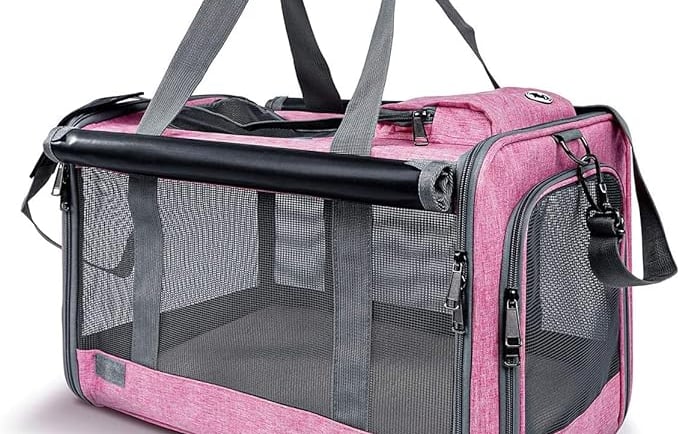
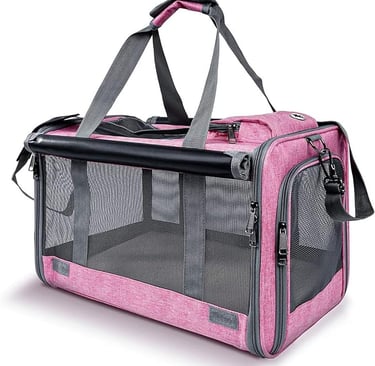
Your rabbit will need a carrier so you can safely move him or her to and from your vehicle.
If you have multiple rabbits, each rabbit should have a separate carrier. Even rabbits that normally get along well may become frightened and defensive during stressful situations. The last thing you want during an evacuation is to deal with injuries caused by fighting rabbits.
Carriers also have a way of disappearing when you need them most. If you cannot locate one quickly, several alternatives can work in an emergency:
A sturdy cardboard box with a secure lid
Two square laundry baskets secured together with zip ties, cords, or bungee straps
A sturdy plastic tote with ventilation holes drilled into the sides
Place a towel or fleece mat on the bottom so the rabbit has traction and does not slide around.
Whatever container you use should clearly display your name, phone number, and address in case you become separated from your rabbit.
Veterinarian-Prescribed Medication
If your rabbit takes medication, be sure to bring enough for several days.
Hay
Bring as much hay as you reasonably can, ideally enough to last at least a week.
If pellets run out, most rabbits can still manage well as long as they have plenty of hay and access to fresh water.
Pelleted Food
Bring a supply of the pellets your rabbit normally eats.
Water
Pack a jug of water along with your rabbit’s normal water bowl or bottle.
Litter Box and Litter
Bring your rabbit’s litter box if possible, along with some of the litter or bedding you normally use.
Familiar smells can help a rabbit settle more easily in an unfamiliar place.
Veterinary Information
Keep your veterinarian’s phone number and copies of your rabbit’s medical records in a waterproof or airtight bag.
Exercise Pen
If there is room in your vehicle, an exercise pen can make a huge difference. A rabbit cannot comfortably remain in a carrier for several days without opportunities to stretch and move around.
Identification Photos
Bring photographs of you with your rabbit. These can help confirm ownership if you become separated.
Comfort Items
Items that your rabbit normally uses at home can make a stressful situation easier.
These might include:
Towels or fleece mats
Blankets or puppy pads
A cardboard hide box or small shelter
Having a place to hide can help a rabbit feel safer in an unfamiliar environment.
Grooming Supplies
Brushes, combs, nail clippers, or clippers for grooming may be helpful if you expect to be away from home for several days.
Harness and Leash
If your rabbit is accustomed to wearing a harness and leash, these can be useful when giving your rabbit supervised exercise.
Heat Relief
If the weather is hot, frozen water bottles or ice packs can help keep your rabbit cool.
Toys and Treats
If space allows, a few toys and familiar treats can provide comfort and distraction during a stressful time.
Preparing Ahead of Time
If you live in an area where evacuation is a real possibility, many of these items can be prepared in advance. Keeping extra supplies packed in a bag or box in your vehicle can save precious time.
In that situation, you would only need to gather your rabbit, carrier, hay, food, water, and any medications before leaving.
While emergencies are never pleasant to think about, having a simple plan in place can make a stressful situation much more manageable.
We were relieved to learn that the family we were praying for reached safety along with all of their animals. May we all take the time to prepare for emergencies and never need to use those preparations.