Are Packaged Rabbit Treats Safe? What Rabbit Owners Should Know
Many packaged rabbit treats contain sugar, seeds, and unhealthy fillers. Learn which ingredients to avoid and how to choose healthier treats for your rabbit.
Amy Jackson & The Hot Cross Buns
5/28/20253 min read
A Word About Packaged Rabbit Treats
The foundation of a healthy rabbit diet is high-quality hay.
Most rabbits should eat timothy hay, orchard grass, or another grass hay recommended by a rabbit-knowledgeable veterinarian if those varieties are not available in your area. Alfalfa hay is generally appropriate only for young rabbits under six months of age.
Hay should make up at least 90% of a rabbit’s daily diet. At Hot Cross Buns, we tend to lean closer to the 95% mark.
Another 5–7% of the diet should come from a high-quality pellet. Ideally, the primary ingredient in the pellet should be timothy hay.
The remaining small percentage of the diet can include treats.
This is where things often become confusing for new rabbit families.
The Problem With Many Packaged Rabbit Treats
Many packaged treats marketed for rabbits contain ingredients that simply do not belong in a rabbit’s diet.
Sugars are often added in the form of:
molasses
honey
cane sugar
high-sugar fruits
These ingredients can cause rabbits to develop a preference for sweet foods and reduce their interest in eating the hay they truly need.
Other packaged treats contain fillers or ingredients that may lead to digestive upset. Some include seeds, nuts, oils, or grains that are high in fat and can contribute to obesity or digestive problems.
In some cases, these ingredients may even contribute to gastrointestinal stasis, a potentially life-threatening condition in rabbits.
Simple Treats Are Best
The healthiest treats for rabbits are usually the simplest ones.
Small amounts of rabbit-safe herbs, leafy greens, vegetables, or fruits can make excellent treats when offered in moderation.
Sweeter fruits and vegetables such as bananas or carrots should be given in very small amounts, since too much sugar can disrupt the delicate balance of bacteria in a rabbit’s digestive system.
If you would like to learn more about appropriate treats, please see our post on Rabbit Treat Guidelines.
Ingredients to Avoid
When reading the ingredient list on packaged treats, it is best to avoid products containing the following:
seeds
nuts
corn
dairy products (milk, yogurt, whey)
added sugar, honey, or molasses
artificial dyes (such as Yellow 5, Blue 40, or Red 40)
wheat products other than wheatgrass
most flours such as rice, wheat, or corn flour
oils (vegetable, soy, sunflower, peanut, etc.)
egg products
fishmeal or seafood ingredients
Yes, some rabbit treats actually contain fish products.
It can be surprising how many inappropriate ingredients appear in products marketed for rabbits.
The “Small Animal Treat” Problem
Many treats marketed for rabbits are actually designed for multiple species of small animals.
Packages often state that the treats are suitable for rabbits, guinea pigs, hamsters, gerbils, mice, and chinchillas.
The problem is that these animals have very different dietary needs.
While seeds may be perfectly appropriate for a mouse or hamster, they are not suitable for rabbits.
Rabbits are lagomorphs, not rodents, and their digestive systems are designed for a high-fiber, plant-based diet.
Reading Ingredient Labels Matters
After reviewing the ingredient lists on many packaged treats, we were surprised by how many questionable ingredients appeared again and again.
Rather than singling out individual products, we encourage rabbit families to simply read the ingredient labels carefully before purchasing any treat.
Companies may change ingredients over time, so it is always wise to double-check.
Healthier Treat Options
Some companies do offer treats made with cleaner, more rabbit-appropriate ingredients. However, it is still important to read labels carefully.
A few brands that tend to offer better options include:
Rosewood Naturals
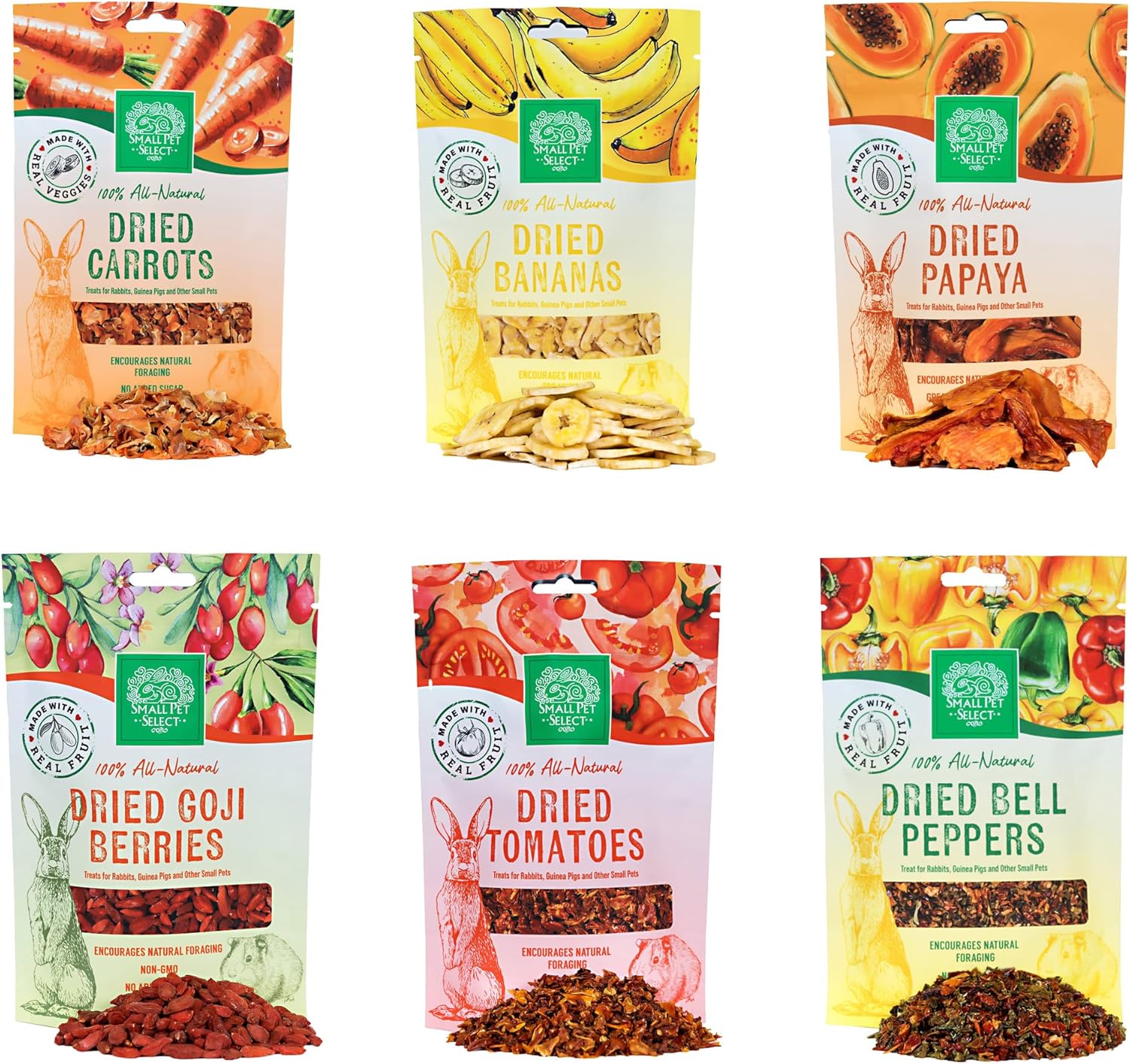
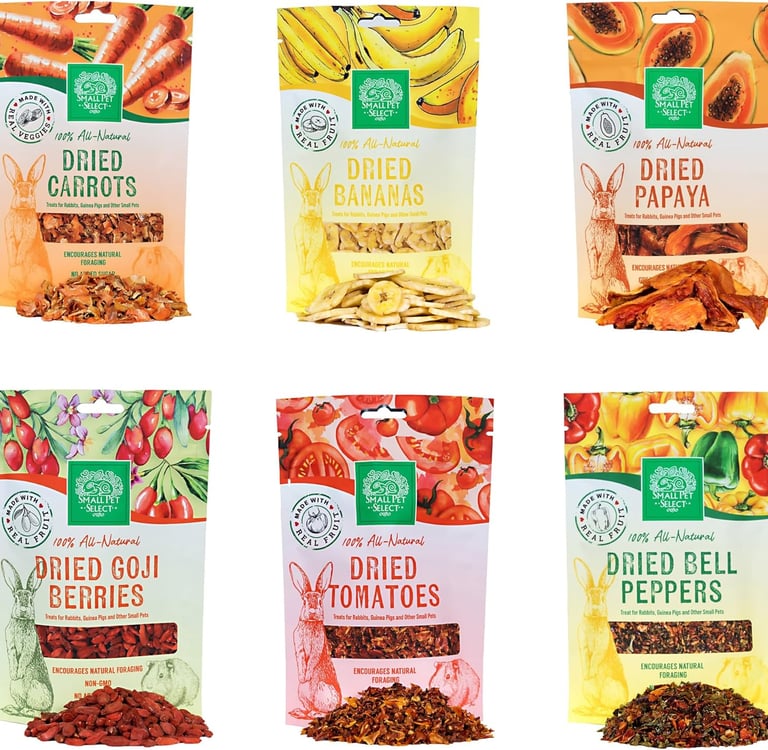
Small Pet Select
Oxbow
Even with these brands, checking the ingredient list is still important, especially if you are avoiding alfalfa in your rabbit’s diet.
The Best Treats Come From Nature
In many cases, the healthiest treats are the simplest ones.
Rabbit-safe herbs, greens, vegetables, and fruits that you grow yourself or purchase from a trusted source are often the best choice.
Simple, natural foods are far more aligned with a rabbit’s digestive system than colorful packaged treats designed to attract human shoppers.
A Gentle Reminder
If you discover that you have been giving your rabbit treats that are not ideal, please do not feel discouraged.
Marketing can be very persuasive, and many rabbit owners purchase these products with the best intentions.
The most important thing is learning more about rabbit nutrition and making better choices moving forward.
Simplicity is usually best when it comes to rabbit treats.
By choosing healthy options and reading ingredient labels carefully, you are already taking an important step toward supporting your rabbit’s long-term health.