
Rabbit Myths: What Every Future Bunny Family Should Know
Thinking about getting a rabbit? Learn the truth behind common rabbit myths, including care, behavior, diet, and housing, so you can provide the best life for your bunny.
Amy Jackson & The Hot Cross Buns
10/7/20253 min read
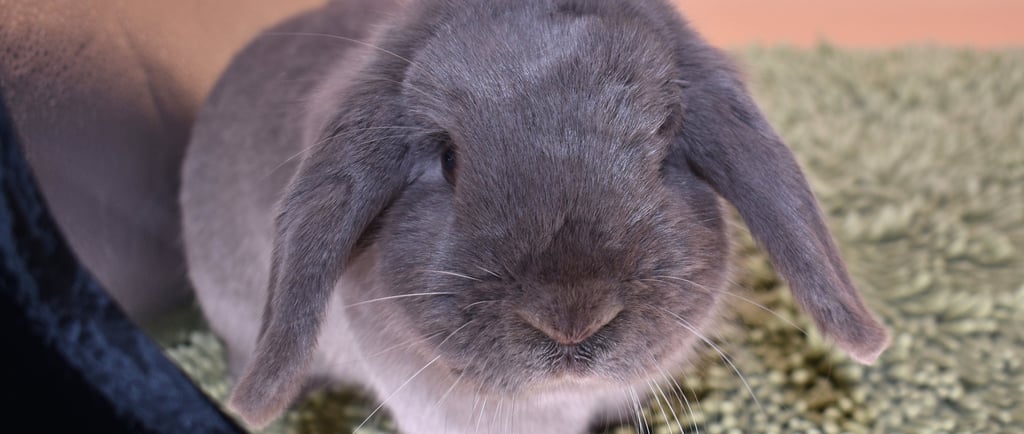

Rabbit Myths: What Every Future Bunny Family Should Know
When most people imagine bringing home a rabbit, they picture a tiny, soft creature sitting quietly in a child’s lap, munching on a carrot.
Real rabbits are far more complex than that.
They are thoughtful, expressive, and full of personality. Over the years at Hot Cross Buns, we have heard just about every myth there is about rabbit care. Many of these misconceptions lead to overwhelmed families and rabbits who are not given the care they truly need.
Let’s take a closer look at some of the most common rabbit myths—and what is actually true.
Myth #1: Rabbits Are Easy “Starter Pets”
Reality: Rabbits require consistent, attentive care.
Rabbits need daily feeding, regular litter box cleaning, exercise time, grooming, and interaction. Their digestive systems are delicate, and their emotional needs are often underestimated.
Many rabbits live ten years or longer, making them a long-term commitment.
A rabbit can be a wonderful addition to the right home, but they should never be chosen because they seem easy. They require time, consistency, and a willingness to learn.
Myth #2: Rabbits Like to Be Held All the Time
Reality: Most rabbits prefer to keep all four feet on the ground.
Rabbits are prey animals. Being picked up can feel unsafe and overwhelming to them. When frightened, they may kick or struggle, which can lead to injury.
The best way to build trust is to sit on the floor and allow your rabbit to approach you. Over time, many rabbits will choose to interact, climb onto your lap, or rest beside you.
Even our snuggliest Buns, like Rosie and Posey, prefer affection on their own terms. Respecting that builds lasting trust.
Myth #3: Carrots Are a Rabbit’s Main Food
Reality: Carrots are a treat, not a staple.
Carrots are high in sugar and should only be offered very occasionally.
A healthy rabbit’s diet should be centered on unlimited grass hay, supported by a measured portion of high-quality pellets, and a small amount of appropriate greens, if added to his diet.
Too many sugary foods can disrupt digestion and lead to health problems. Carrots are best thought of as an occasional treat.
Myth #4: Rabbits Can Live Outside Year-Round
Reality: Domestic rabbits belong indoors.
Outdoor housing exposes rabbits to extreme temperatures, predators, parasites, and isolation.
Domestic rabbits thrive when they live indoors as part of the household. They benefit from a stable environment, regular interaction, and the safety of a controlled space.
At Hot Cross Buns, we place rabbits as indoor companions only. This is where they are safest and able to live fully as part of the family.
Myth #5: Rabbits Don’t Need Vet Care or Spaying/Neutering
Reality: Veterinary care is essential.
Unspayed female rabbits face a very high risk of uterine cancer. Unneutered males may develop territorial behaviors and poor litter habits.
Spaying and neutering improves both health and behavior, and it is a standard part of responsible rabbit care.
Rabbits should be seen by a veterinarian experienced in rabbit care. Regular checkups and prompt attention to changes in eating, behavior, or litter habits can make a significant difference in long-term health.
Myth #6: Rabbits Don’t Have Much Personality
Reality: Every rabbit is an individual.
Spend time with rabbits and this becomes immediately clear.
Francesca rearranges anything within reach.
Gumption, despite his size, is gentle and reserved.
Missy carries herself with unmistakable confidence and expectation of being served by lowly serfs and peasants.
Rabbits communicate constantly through posture, movement, and behavior. Once you learn to recognize those signals, their personalities become unmistakable.
Myth #7: Two Rabbits Are Always Better Than One
Reality: Bonding takes time and care.
While bonded pairs can be deeply rewarding, rabbits are territorial and introductions must be handled carefully.
Successful bonding depends on temperament, timing, and patience. Not every rabbit will accept a companion, and some are happiest as single rabbits with strong human interaction.
When bonding is pursued, it should always be done with already spayed or neutered rabbits. Opposite-gender pairs often have the highest success rate.
The Truth About Rabbits
Understanding what rabbits truly need is not meant to discourage—it is meant to prepare.
When their needs are met, rabbits become deeply rewarding companions. They bring humor, quiet companionship, and a steady presence that grows over time.
They teach patience, attentiveness, and respect in a way few animals do.
If you are considering bringing a rabbit into your home, take the time to learn, prepare, and ask questions.
The relationship that follows is worth it.
________________________________________________________________________________________________________________
You may also find helpful:
Copyright 2016-present. All rights reserved by Hot Cross Buns Holland Lops. All images and content fall under the sole ownership of Hot Cross Buns Holland Lops.
Hot Cross Buns Holland Lops
Oberlin, Ohio
Indoor companion Holland Lops raised with care since 2016.
Email: hcbhollands@gmail.com